Oct 23, 2026Industry News
How to Keep Your Miniature Garage and Diecast Diorama Looking Its Best
Discover practical tips for cleaning, handling, and maintaining miniature garages, diecast cars, and diorama accessories.

A detailed miniature garage or diecast diorama can be a great way to display a model car collection. From parking structures to automotive workshops, these scenes often include many small parts that contribute to the overall appearance.
Over time, however, dust, handling, and frequent rearrangement can affect how a display looks.
Regular maintenance does not have to be complicated. A few simple habits can help collectors keep their miniature garages organized and make it easier to enjoy their collections for longer.
1. Reduce Dust Before It Builds Up
Dust is one of the most common challenges when displaying miniature cars and dioramas.
It can collect on vehicle roofs, garage floors, shelves, tool cabinets, and small accessories. The more detailed the scene, the more places there may be for dust to settle.
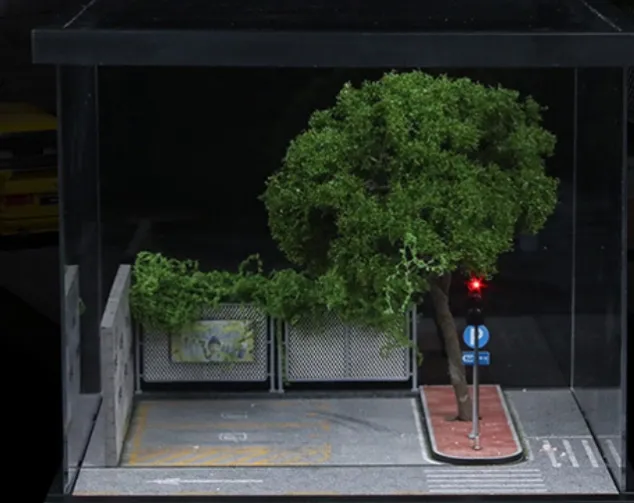
A display case or dust cover can help reduce direct exposure. Open displays can also be maintained with regular light cleaning.
Use a soft brush or another suitable gentle cleaning tool to remove loose dust from small details. Avoid pressing hard on delicate components or using cleaning products without checking whether they are suitable for the materials involved.
2. Clean Small Accessories Carefully
Workshop accessories such as miniature tools, tire racks, mechanics, and workbenches can be difficult to clean because of their size.
Instead of moving every item at once, work on a small section of the display at a time.
Where possible, remove loose accessories before cleaning the surrounding surface. Keep small parts in a tray or container so they do not get lost.
If an item has moving parts, handle it carefully and avoid forcing components that do not move freely.
For products with electronic features or lights, follow the supplier's cleaning and care instructions.
3. Handle Vehicles and Diorama Components Properly
Frequent rearrangement can make a display more interesting, but it also increases handling.
Before moving a car or accessory, make sure there is enough space to lift it without knocking into nearby items. Holding a vehicle securely by its body can help reduce accidental drops, while avoiding unnecessary pressure on mirrors, spoilers, or other delicate details.
Small accessories should be moved individually rather than pushed across the display floor.
When repositioning a large structure, remove loose items first if doing so is practical. This can reduce the risk of components falling during movement.
4. Protect the Display from Direct Sunlight
Where possible, avoid placing a miniature display in prolonged direct sunlight.
Light exposure may affect certain paints, plastics, printed graphics, or other materials over time. The extent of any change depends on the specific material and conditions.
A shelf away from a sunny window may be a better choice for a collection that will remain on display for long periods.
It is also sensible to avoid placing delicate miniature structures in locations where they are likely to be knocked or exposed to frequent movement.
5. Keep the Layout Organized
A clean display is not just about removing dust. Organization also matters.
If accessories gradually accumulate, the garage may become crowded and more difficult to maintain. Keeping tools, figures, and vehicles in defined areas can make cleaning easier.
For example, a workshop scene could keep tire racks near a maintenance bay and place figures where they do not block the main vehicle display.
Collectors can also photograph their preferred arrangement. If they later move accessories for cleaning, the photograph provides a useful reference for putting everything back.
6. Store Unused Accessories Properly
Not every accessory needs to be displayed at the same time.
If you rotate the appearance of your garage or switch between different themes, store unused pieces in suitable containers. Separate small components to reduce the chance of scratching, tangling, or losing them.
Keep any original packaging that may be useful for storage, especially for components that are delicate or difficult to replace.
Before storing a product for an extended period, make sure it is clean and dry, and follow any care instructions provided by the supplier.
7. What Retailers Should Tell Customers About Care
Retailers selling miniature garages and dioramas can improve the customer experience by providing basic care information.
Product descriptions can explain whether a dust cover is included, whether assembly is required, and which cleaning precautions apply to the materials used.
It is important not to make unsupported claims about scratch resistance, UV resistance, or long-term durability. If a product has specific care requirements, use the manufacturer's information rather than guessing.
Clear guidance helps customers understand how to maintain their purchases and what to expect from the product.
Conclusion
Keeping a miniature garage or diecast diorama in good condition mainly comes down to gentle cleaning, careful handling, sensible placement, and organized storage.
A little regular maintenance can help the display remain attractive while reducing the risk of losing small accessories or damaging delicate details.
Whether you are a collector or a retailer, understanding basic product care is an important part of enjoying and presenting miniature garages, parking scenes, and diecast accessories.
Sundortech supplies miniature diorama products and workshop accessories for diecast collectors and businesses looking to build a more complete automotive display range.