Sep 20, 2026Industry News
What Buyers Should Know Before Sourcing Promotional Electronics

Promotional electronics have become a popular choice for corporate gifts, trade show giveaways, employee programs, and customer appreciation campaigns. Products such as charging cables, wireless chargers, power banks, USB hubs, and phone stands combine brand exposure with everyday usefulness.
However, sourcing promotional electronics is different from ordering ordinary promotional items. Buyers need to consider product performance, compatibility, safety, customization, and delivery schedules—not just the unit price.
Before placing an order, there are several important factors every buyer should understand.
1. Start With the Intended Use
The right promotional electronic product depends on how and where it will be used.
For example:
- Charging cables are suitable for everyday carry and technology-related campaigns.
- Power banks are useful for travel, conferences, and outdoor events.
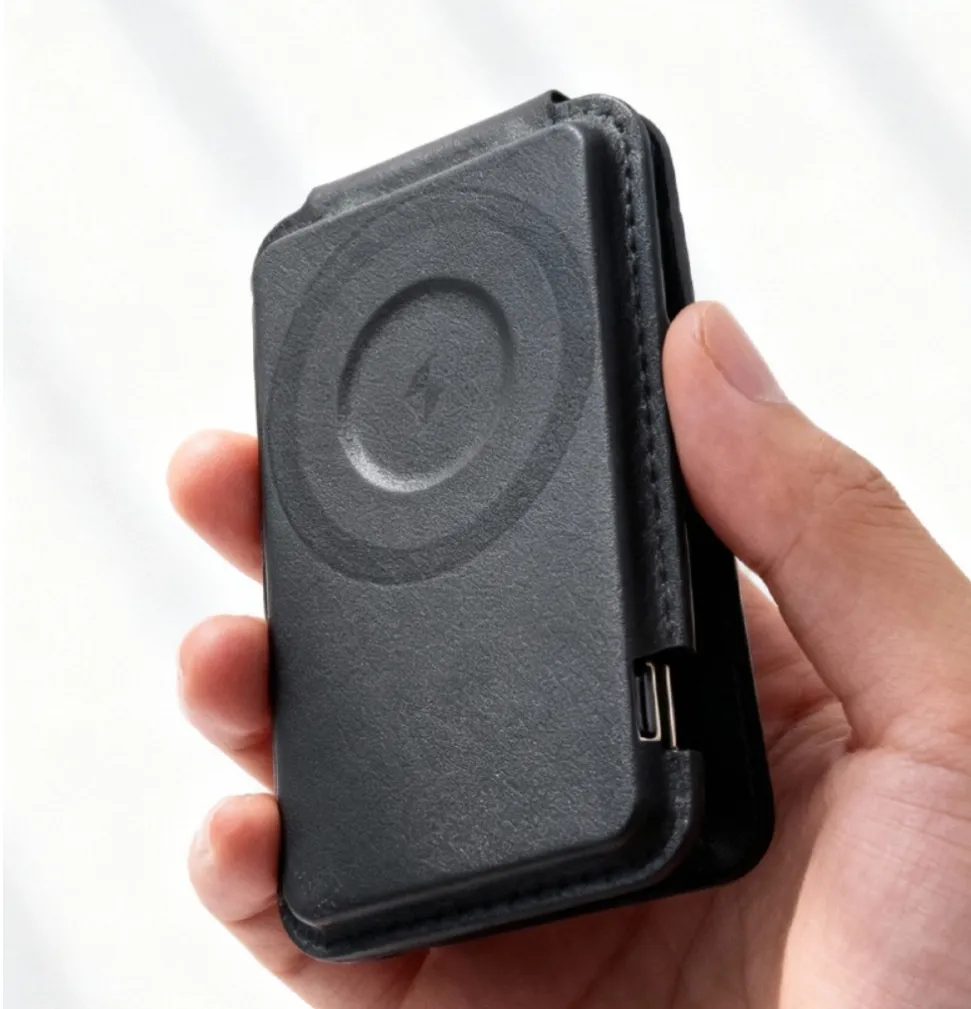
- Wireless chargers work well for office gifts and employee appreciation.
- USB hubs and desktop chargers may be more suitable for business users.
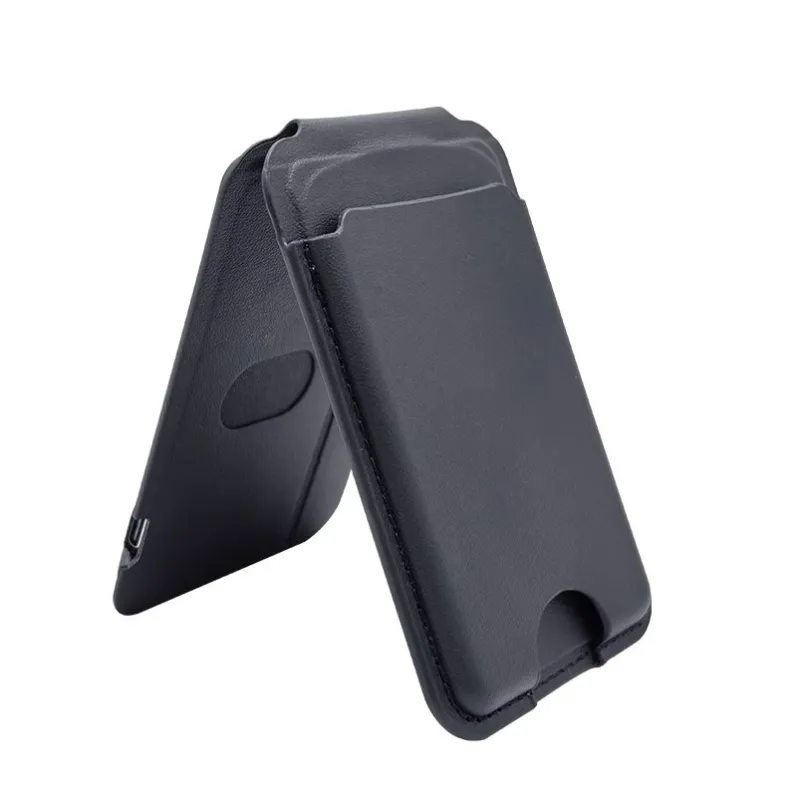
- Phone stands can be practical additions to corporate gift sets.
Before contacting suppliers, clarify your target audience, distribution channel, budget, and usage scenario. A product designed for a trade show giveaway may be different from one included in a premium executive gift set.
A clear purpose helps reduce unnecessary product choices and improves the overall campaign result.
2. Check Product Specifications Carefully
Similar-looking electronic products may have very different specifications.
For charging products, buyers should pay attention to details such as:
- Input and output ports
- Charging power and supported protocols
- Cable length and material
- USB-A, USB-C, or Lightning compatibility
- Wireless charging power
- Battery capacity for power banks
- Plug type and voltage requirements
For example, a cable advertised as supporting fast charging may have limitations depending on the device, charger, and charging protocol. A USB-C cable is not automatically capable of supporting every high-power application.
Ask suppliers to provide clear and accurate specifications instead of relying only on product images or short descriptions.
3. Consider Compatibility With Your Target Market
Promotional electronics are often distributed across different countries and regions. Compatibility should therefore be reviewed before production.
For chargers and power adapters, check the required plug type, voltage, frequency, and applicable market standards. For cables and wireless chargers, confirm compatibility with the devices commonly used by your target customers.
If the product is intended for the United States, Europe, the United Kingdom, or other specific markets, communicate this information at the quotation stage.
A product that works well in one market may not be suitable for another without adjustments.
4. Do Not Choose a Supplier Based Only on Price
Price is important, but the lowest quotation does not always represent the lowest total cost.
A lower-priced product may involve compromises in materials, components, packaging, testing, or quality control. Problems discovered after delivery can lead to replacement costs, delayed campaigns, and damage to customer relationships.
When comparing suppliers, consider:
- Product quality and consistency
- Communication speed and accuracy
- Customization capabilities
- Sample quality
- Production lead time
- Packaging options
- Quality inspection procedures
- After-sales support
A reliable supplier should be able to explain the product clearly and identify potential limitations before the order is confirmed.
5. Always Review Samples Before Mass Production
Samples are especially important when sourcing promotional electronics.
A sample allows buyers to check the actual product design, material, size, weight, charging performance, logo placement, and packaging. It also provides an opportunity to identify problems that may not be visible in product photos.
For customized orders, review the following points carefully:
- Logo size and position
- Printing or engraving quality
- Product color
- Cable or housing material
- Button and connector performance
- Packaging structure
- User instructions and labels
If the order is large or the product is technically complex, consider testing samples under realistic usage conditions before approving mass production.
6. Understand Customization and MOQ Requirements
Not every promotional electronics supplier offers the same customization options.
Some products support logo printing on stock items, while others require customized molds, colors, packaging, or internal components. These different options can significantly affect the minimum order quantity, cost, and production time.
Before placing an order, ask:
- What is the minimum order quantity?
- Is logo customization available for small orders?
- Can the packaging be customized separately?
- Are different colors available?
- Is a customized mold required?
- What are the setup or artwork fees?
For a new campaign, buyers may prefer stock products with simple logo customization to reduce inventory risk. Larger campaigns may justify deeper customization.
7. Confirm Compliance and Safety Requirements
Electronic products may be subject to different regulations depending on the destination market and product category.
Buyers should discuss relevant compliance requirements with the supplier before ordering. Depending on the product, this may include testing reports, safety documentation, labeling requirements, and market-specific certifications.
Battery-powered products, chargers, and power adapters may require additional attention because of their electrical and transportation requirements.
Do not assume that a supplier's general certification automatically covers every model or customized version. Confirm whether the documentation applies to the exact product being ordered.
8. Calculate the Total Cost
The quoted unit price is only one part of the final purchasing cost.
A complete budget may include:
- Product price
- Logo or customization fees
- Packaging costs
- Sample charges
- Testing fees
- Tooling costs
- Shipping and insurance
- Import duties or local taxes
Request a quotation with clear cost details. This makes it easier to compare suppliers and avoid unexpected charges later.
You should also confirm the quotation terms, such as EXW, FOB, or another agreed delivery term, because these affect the buyer's responsibilities and total landed cost.
9. Plan Production and Delivery in Advance
Promotional electronics are often needed for events, product launches, conferences, and seasonal campaigns. Late delivery can reduce the value of the entire order.
Before confirming production, ask the supplier to provide a realistic timeline covering:
- Artwork confirmation
- Sample production
- Sample approval
- Mass production
- Quality inspection
- Packaging
- Shipping
Allow extra time for design changes, testing, production delays, and transportation. Avoid planning the order around the supplier's best-case delivery estimate.
Conclusion
Sourcing promotional electronics requires more than finding an attractive product at a competitive price. Buyers should evaluate specifications, compatibility, customization, compliance, quality, total cost, and delivery time before making a purchasing decision.
A well-prepared product brief and clear communication with the supplier can reduce sourcing risks and improve the chances of receiving promotional electronics that meet both business and customer expectations.
The goal is not simply to purchase a branded electronic product. It is to choose a product that is practical, reliable, suitable for the target market, and aligned with the purpose of the promotional campaign.