Oct 20, 2026Industry News
Beyond the Garage: 6 Scene Themes That Give Diecast Collectors More Display Options
Explore six miniature scene themes for diecast collectors, from automotive workshops and parking structures to urban streets and outdoor settings.
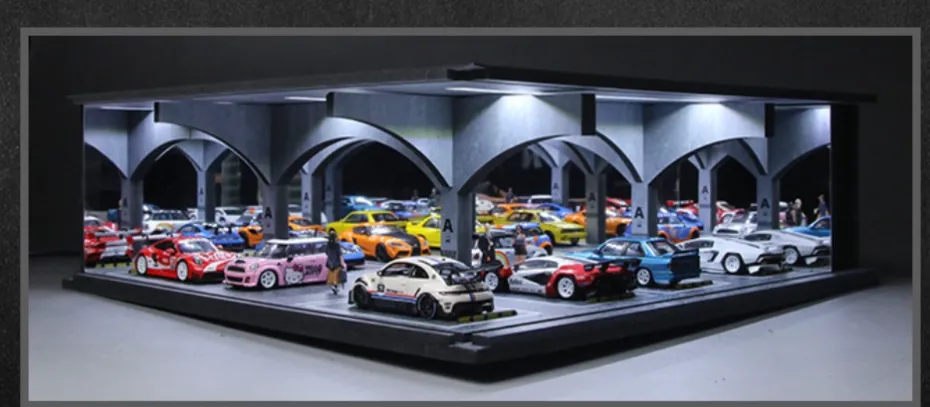
A model car can look great on its own. But place it in a carefully designed miniature environment, and the display can tell a much more interesting story.
That is one reason dioramas appeal to diecast collectors. They turn individual models into part of a scene—a car entering a workshop, a row of vehicles in a parking structure, or a quiet street corner that looks like a snapshot from everyday life.
You don't need to build an entire miniature city to achieve this effect. A well-chosen scene and a few suitable accessories can be enough to create a display with character.
Here are six scene themes worth exploring.
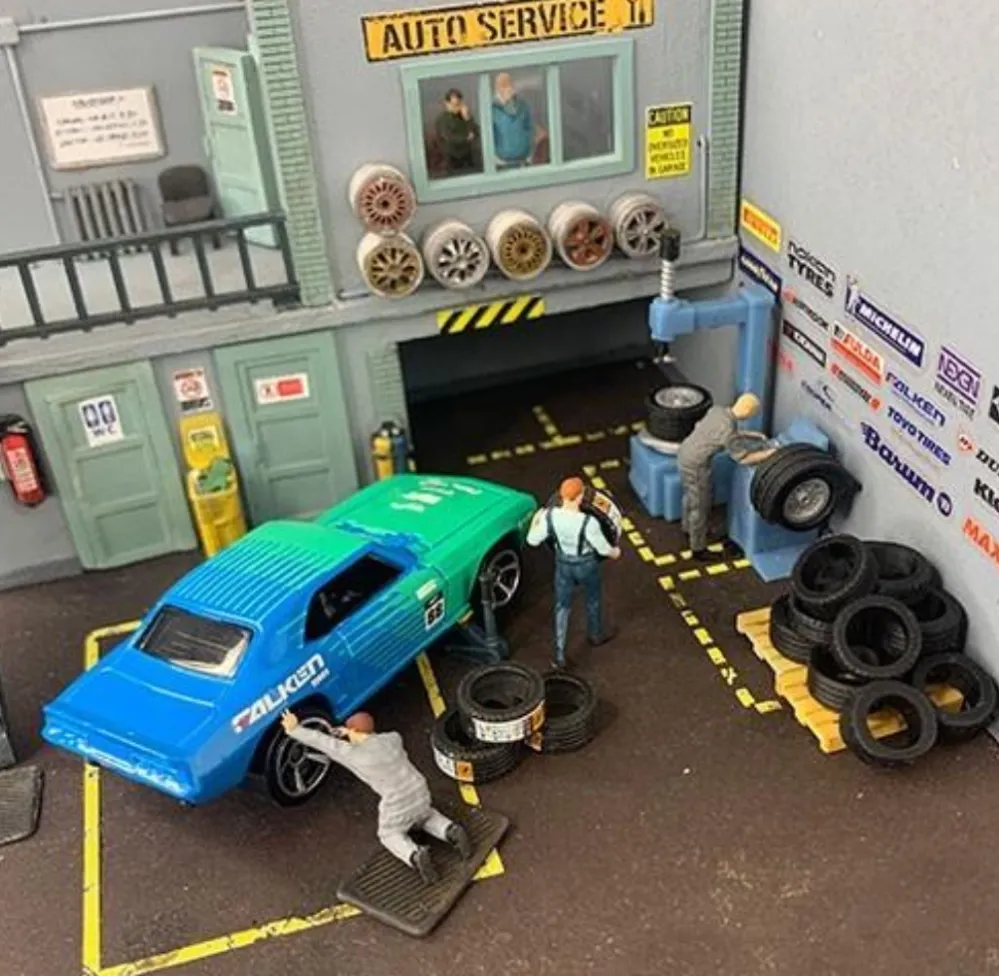
1. The Automotive Workshop
A workshop scene is a natural fit for collectors who enjoy the mechanical side of cars.
Miniature vehicle lifts, workbenches, tire racks, tool walls, and other workshop equipment can help establish the setting. Add a suitable car and a mechanic figure, and the display begins to look like a working garage rather than a simple storage space.
One advantage of this theme is its flexibility. A collector can start with a basic workshop and gradually add equipment or figures as the scene develops.
For a retailer, workshop products also create opportunities to offer complementary accessories alongside a garage. Instead of presenting every item separately, show customers how the pieces might work together.
Useful product types: 1:64 garages, workshop equipment, miniature figures, and automotive accessories.
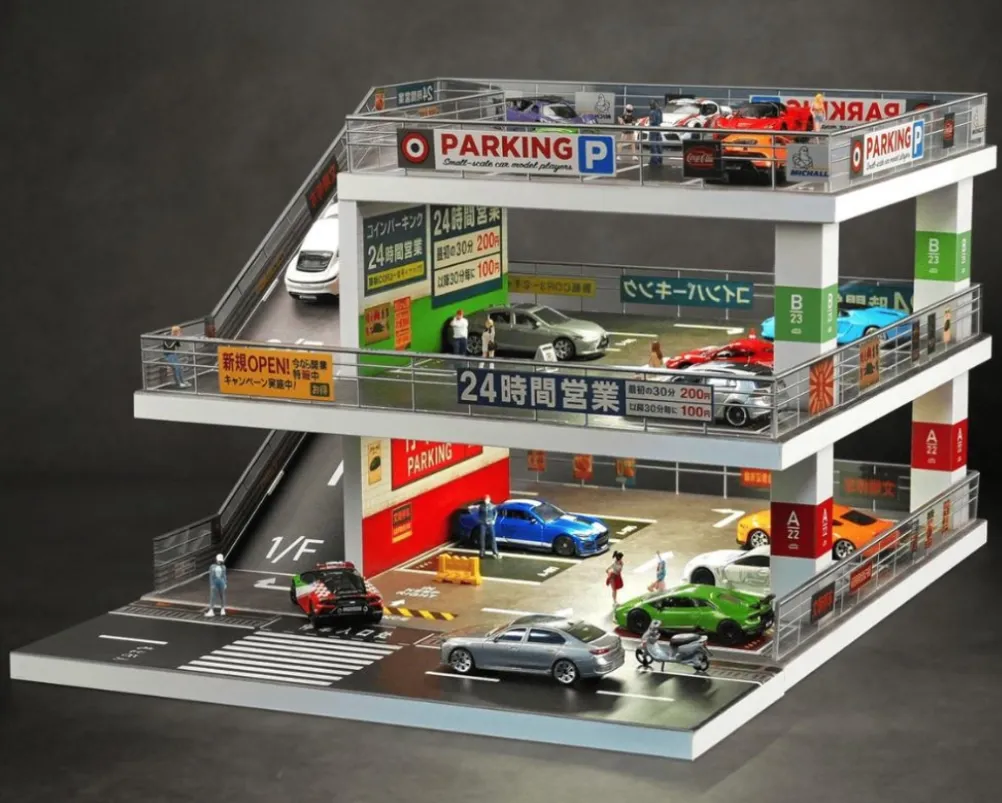
2. The Multi-Level Parking Structure
Parking structures create a different kind of visual interest. Rows of cars, multiple levels, ramps, and repeated parking spaces can make a small display feel like part of a larger urban environment.
This theme can be especially appealing to collectors who own several vehicles and want to display them together.
Different parking layouts also suit different preferences. Some collectors may prefer a compact structure, while others may want a larger scene with more room for arranging cars.
When choosing a parking structure, check its dimensions, usable parking spaces, access points, and compatibility with your models. Product photographs can be helpful, but measurements are essential when planning a display.
Useful product types: multi-level parking garages, parking scenes, and compatible display accessories.
3. The Japanese Urban Street
Urban street scenes offer a way to move beyond traditional garages and parking lots.
A small storefront, narrow street, or city corner can provide context for compact sports cars, modified vehicles, and other models that suit an urban setting.
The appeal is often in the atmosphere rather than the number of accessories. A few well-chosen details can make a scene feel coherent without filling every available space.
Collectors can build a small street corner as a standalone display or use compatible scenes to develop a larger layout over time.
For retailers, urban scenes can help broaden a category beyond customers who specifically want garages. They may also appeal to collectors who already have several automotive settings and want a different visual style.
Useful product types: street scenes, urban corners, storefront environments, and suitable miniature figures.
4. The Classic Service Station
A service station creates a recognizable automotive scene with a slightly different character from a modern workshop.
It can suggest a road trip, a vintage motoring scene, or a stop during a long drive. Depending on the design, it may suit classic cars, everyday vehicles, or other models that fit the setting.
Collectors should consider how the scene's style matches the cars they intend to display. A carefully matched vehicle and environment usually create a more convincing result than mixing unrelated themes.
Retailers can also use service-station scenes to introduce themed products rather than relying entirely on scale or vehicle brand to organize their displays.
Useful product types: service-station scenes, garages, street accessories, and figures that fit the setting.
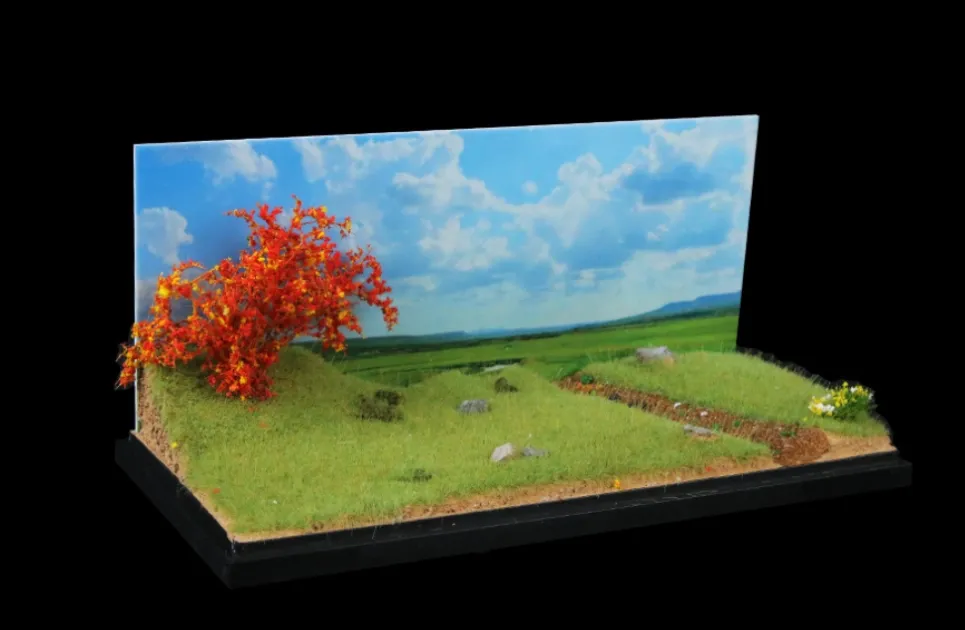
5. The Outdoor and Adventure Scene
Not every miniature car display needs to take place in a city.
Outdoor settings, camping environments, and mountain or rally-inspired scenes can offer a different backdrop for suitable vehicles. They also give collectors more options when building themed displays around travel, adventure, or motorsport.
The important consideration is consistency. Choose a setting that suits the vehicle and avoid adding so many unrelated details that the scene loses its focus.
Outdoor scenes can be particularly useful for collectors who want variety across their shelves. A single collection can include an urban street, a workshop, and an outdoor environment without every display looking the same.
Useful product types: outdoor or lifestyle scenes, camping environments, rally-inspired settings, and compatible figures or accessories.
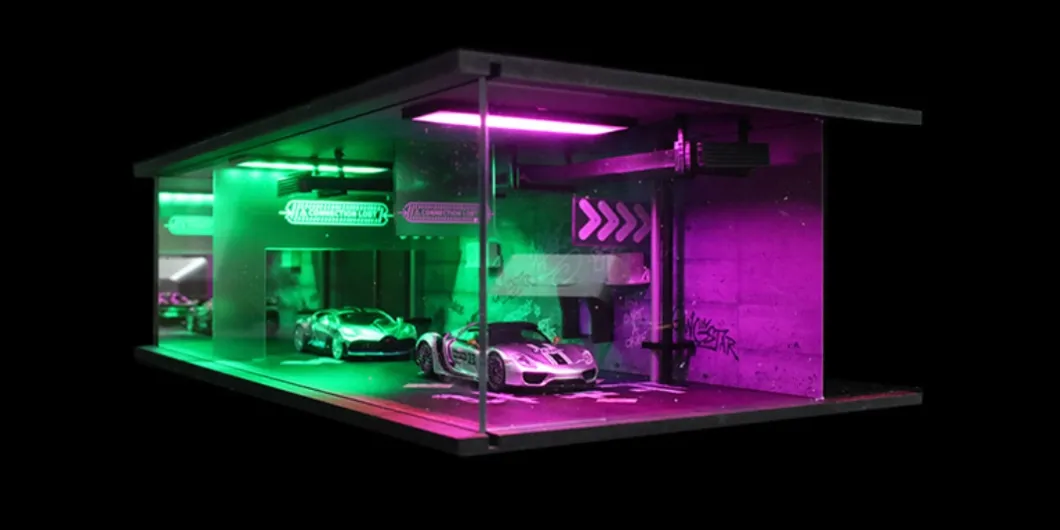
6. The Car Meet or Collector Display
Some collectors prefer a scene that brings several cars together rather than focusing on one workshop or street.
A parking area or open display setting can suggest a car meet, a collection gathering, or a simple lineup of favorite models. This approach makes it easier to change the vehicles on display without redesigning the whole scene.
For a cleaner result, leave enough open space between cars and choose accessories that support the theme. Too many details can distract from the vehicles themselves.
Retailers can present this style as a flexible display option for customers who regularly rotate their collections or enjoy arranging different combinations of cars.
Useful product types: parking scenes, display structures, and selected accessories.
How to Choose a Theme That Works
Before buying a scene, think about three things.
First, the cars. Consider their scale, size, and style. A scene should suit the vehicles you plan to display.
Second, the available space. Measure the shelf, desk, or cabinet where the diorama will sit. Check the full product dimensions rather than estimating from photographs.
Third, future expansion. If you may want to add more cars or accessories later, consider whether the scene leaves room for changes. Modular or compatible products can offer flexibility when the design allows it.
For retailers, these same questions can help organize product recommendations and reduce confusion for customers choosing their first diorama.
Find the Right Scene for Your Collection
There is no single best diorama theme. A workshop suits collectors who enjoy automotive details, a parking structure works well for multi-car displays, and an urban or outdoor scene can give a collection a different personality.
Our product range covers miniature garages, parking structures, street scenes, workshop accessories, figures, and selected outdoor-style scenes.
Want to explore more options for your store or collection? Contact us for our catalogue and product details. We can help you review suitable designs, discuss wholesale pricing, and explore mixed-model trial orders.
Sometimes, a new scene is all it takes to make familiar model cars feel new again.