Oct 20, 2026Industry News
How to Test New Diecast Diorama Products Before Buying in Bu
A practical guide for diecast retailers evaluating new garages, parking structures, workshop accessories, and miniature scenes before placing larger orders.
New Products Can Bring Opportunity—and Uncertainty
Adding new products is one way to keep a diecast store interesting. But every new SKU also creates questions.
Will customers like the design? Does the product suit their existing collections? Is the packaging suitable for retail? Will the selling price leave enough room for the business?
These questions are especially important for diorama products because dimensions, display style, and packaging can influence the buying decision.
A structured evaluation process can help retailers make more informed purchasing decisions before committing to a larger assortment.
1. Check Whether the Product Fits Your Customers
Start with your existing customer base.
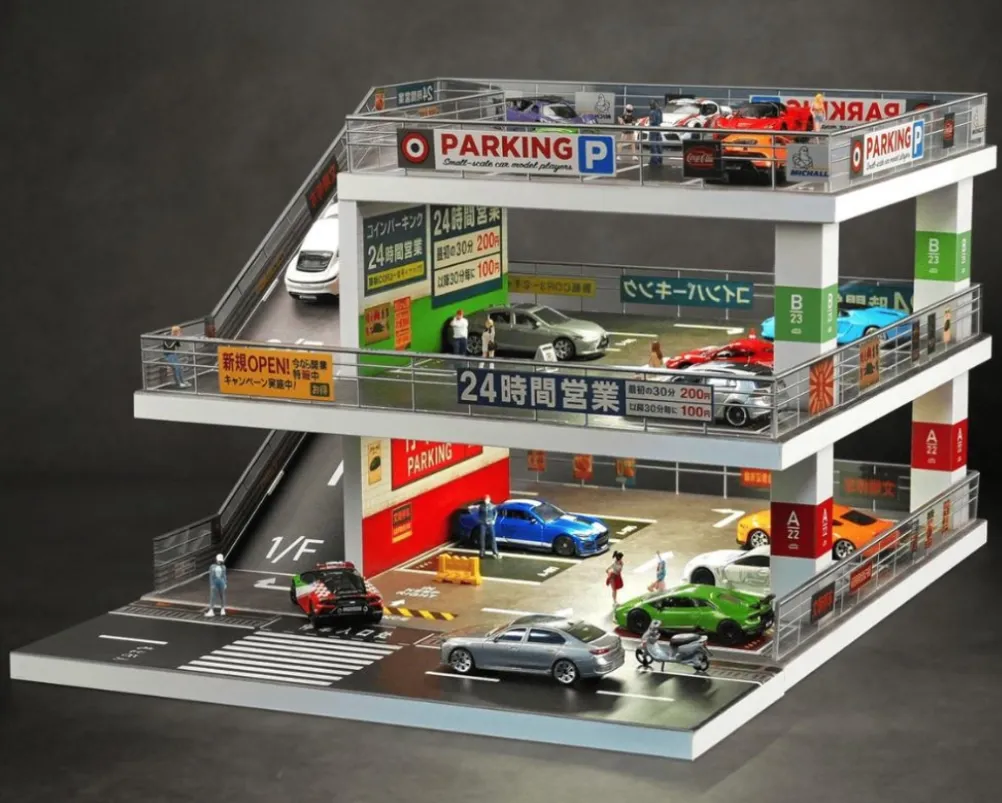
If your customers mainly collect 1:64 vehicles, a range of compatible garages, parking structures, and workshop accessories may be relevant. If they prefer larger display scenes, you may need to evaluate products in other scales.
Think about what your customers are already buying and what they frequently ask for.
A product does not need to be completely different from everything you currently stock. It should, however, have a clear reason to be included in your range.
2. Evaluate the Product Beyond Its Catalogue Photo
A product image is useful for initial screening, but it rarely answers every purchasing question.
Before making a decision, review:
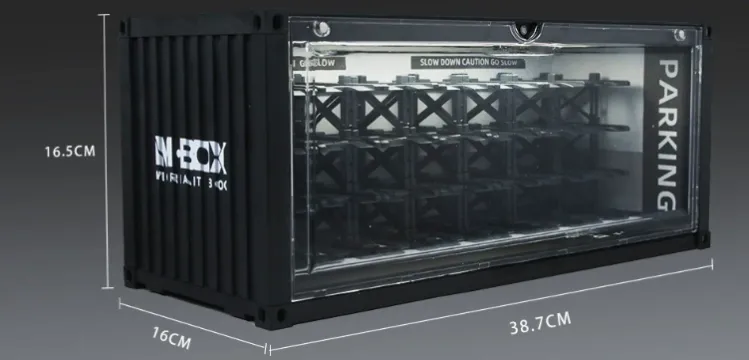
- Overall dimensions and usable display space.
- Materials and visible construction details.
- Assembly requirements, if any.
- Packaging and protection during shipping.
- Included components and separately sold accessories.
- Compatibility with the vehicles or scenes your customers use.
For products with transparent covers, multiple levels, or detailed workshop equipment, ask for additional images if important features are difficult to see.
The more accurately you understand the product, the easier it is to decide whether it belongs in your assortment.
3. Compare Products by Their Role in Your Range
It is tempting to select products simply because they look attractive. However, a retail assortment should serve more than one purpose.
Consider grouping potential products into several roles:
Core products: Garages or parking structures that form the main display.
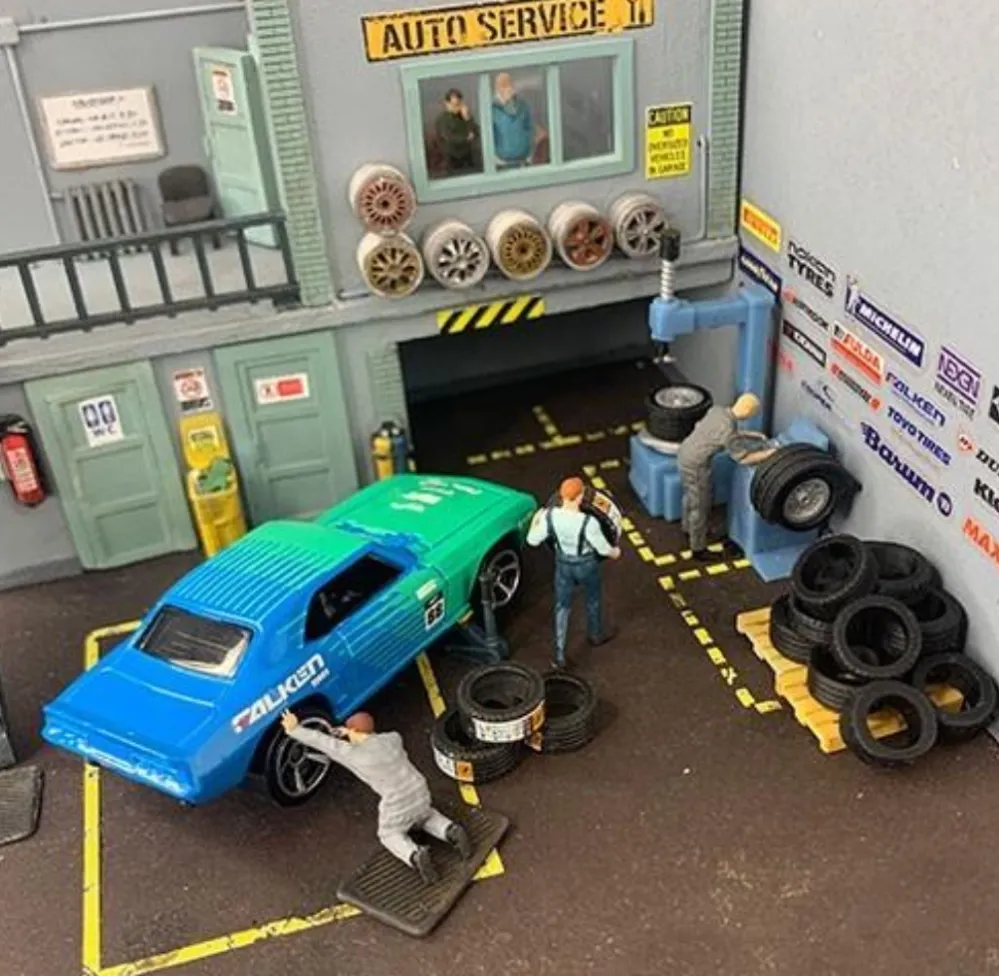
Complementary products: Workshop equipment, figures, and accessories that can enhance existing scenes.
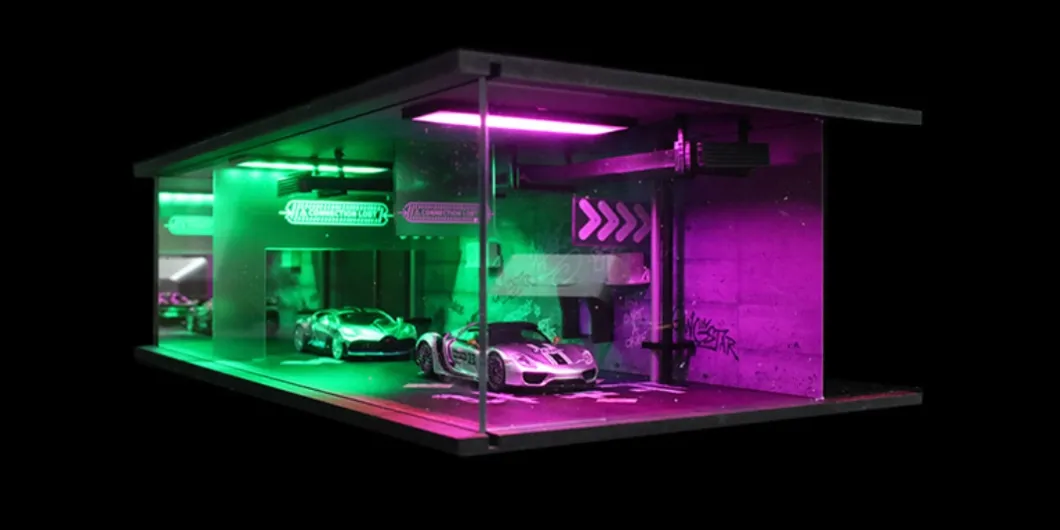
Alternative themes: Street scenes, urban environments, or other settings that offer a different look.
This approach helps you identify gaps in your current range. It can also prevent you from selecting too many products that appeal to exactly the same customer for exactly the same reason.
4. Review the Commercial Details
Before placing an order, make sure you understand the purchasing terms.
Ask the supplier about the minimum order quantity, pricing at different quantities where available, packaging, lead time, and shipping arrangements.
For overseas orders, confirm the shipping terms and whether freight is included in the quoted price. A product's unit price alone does not show the complete landed cost.
It is also useful to clarify whether the supplier can combine different models in one order and whether the terms differ by SKU.
Clear answers make it easier to compare suppliers and plan an order that fits your budget.
5. Consider a Mixed-Model Trial Order
When available, a mixed-model trial order can help a retailer evaluate several designs before committing to larger quantities of one product.
For example, a buyer might compare a garage, a parking structure, and a workshop accessory selection to see which types best suit the store.
The exact products and quantities depend on the supplier's terms, so confirm availability before planning the trial.
A trial order is not a guarantee of future sales. It is a way to gather more information and make the next purchasing decision with greater confidence.
6. Evaluate the Results Systematically
After introducing new products, record what happens.
Useful information may include customer questions, page views, inquiries, sales, feedback about dimensions, and requests for additional designs.
Compare products with similar roles rather than judging everything by the same standard. A small accessory and a large display structure may serve different purposes and attract different buyers.
Use what you learn to decide which products to reorder, which to promote more clearly, and which may not be the right fit for your store.
7. Choose a Supplier Who Communicates Clearly
Good product sourcing depends on more than having an attractive catalogue.
A useful supplier should be able to provide relevant specifications, explain packaging and order terms, and answer questions about the selected products.
For a new supplier relationship, clear communication is particularly important. You should understand what you are ordering, what is included, and which terms apply before confirming the purchase.
If a product detail has not been confirmed, ask rather than relying on assumptions.
Explore Our Diecast Diorama Range
We supply 1:64 garages, parking structures, street scenes, workshop equipment, and miniature figures, together with selected larger-scale display scenes.
If you are evaluating new products for your diecast business, we can share our catalogue and help you review suitable options.
Contact us to discuss wholesale pricing, product specifications, and mixed-model trial-order possibilities. Tell us which scale and product categories interest you, and we can help narrow down the options for your review.