Oct 20, 2026Industry News
How Diecast Retailers Can Use Diorama Accessories to Create Better Product Bundles
Learn how diecast retailers can combine garages, workshop accessories, miniature figures, and display scenes to create useful product bundles for collectors.
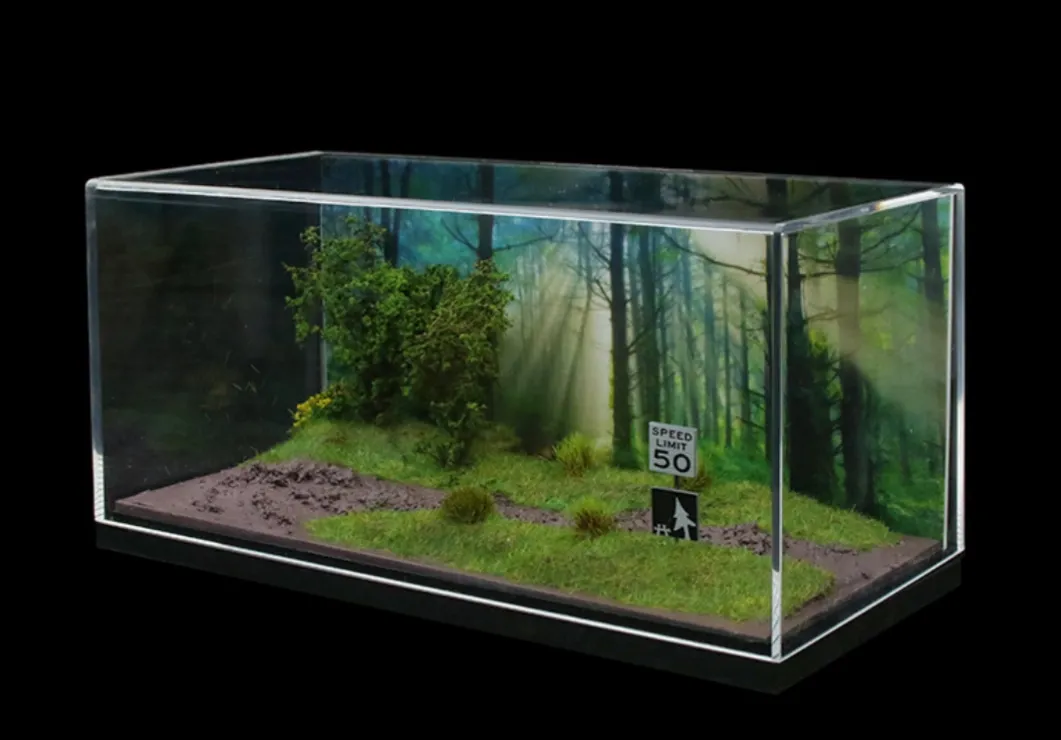
One Product Can Lead to a More Complete Display
A collector might visit your store looking for a miniature garage. But after choosing one, they may realize they also want a vehicle lift, a workbench, or a figure to make the scene look more realistic.
This is where complementary products become important.
For diecast retailers, accessories aren't simply extra items to place on a shelf. When selected carefully, they can help customers build a complete display and discover products that fit their interests.
The goal isn't to bundle as many items as possible. It's to make the buying decision easier by showing customers which products work well together.
Here are some practical ways to approach this.
1. Build Bundles Around a Clear Theme
A useful bundle starts with a scene or activity that collectors can understand immediately.
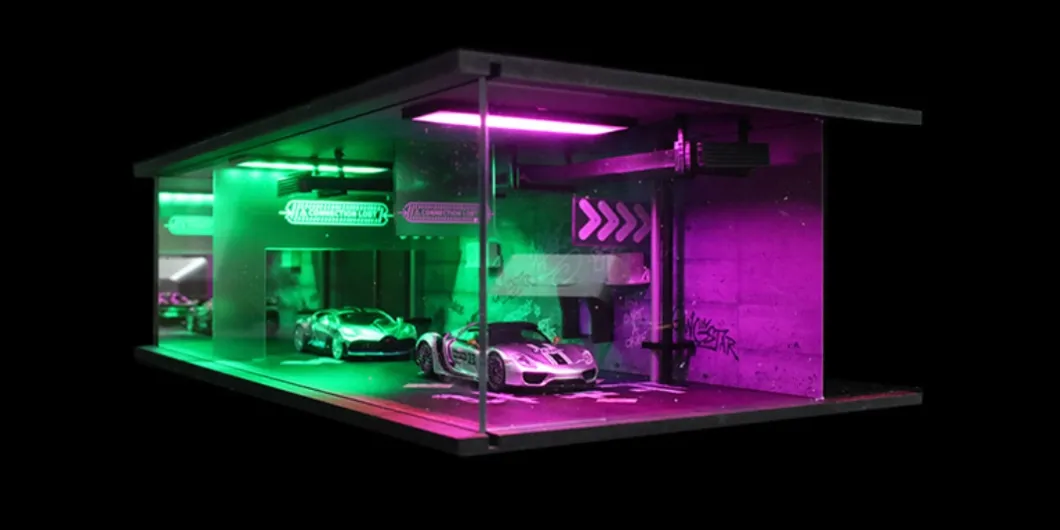
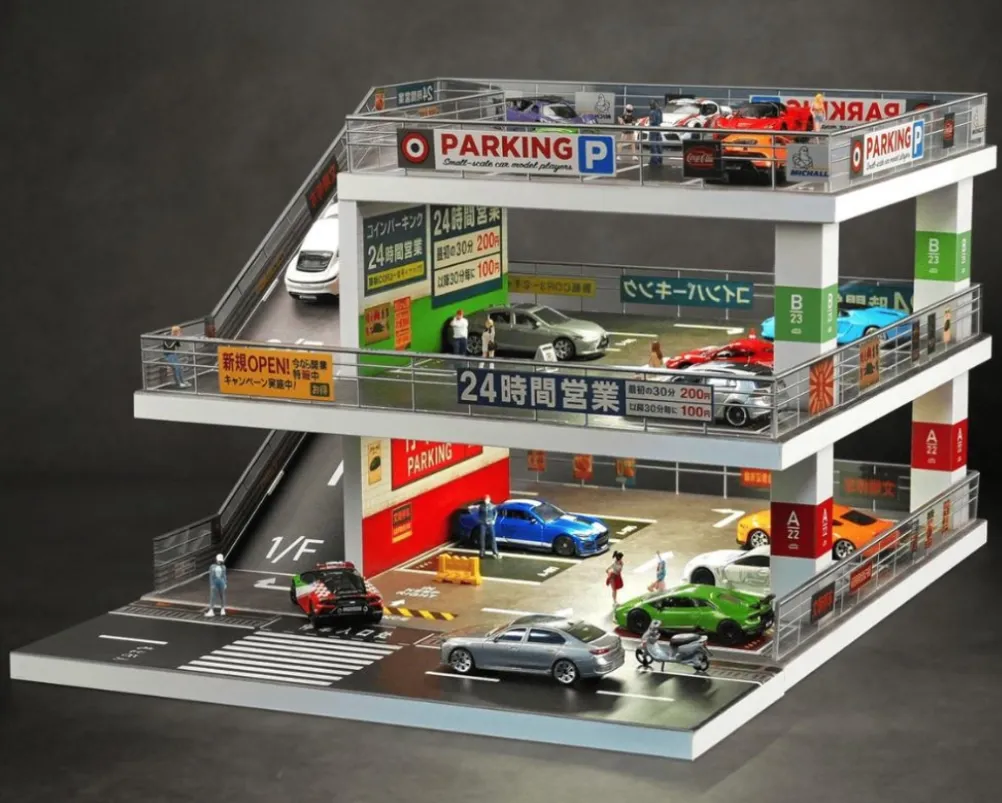
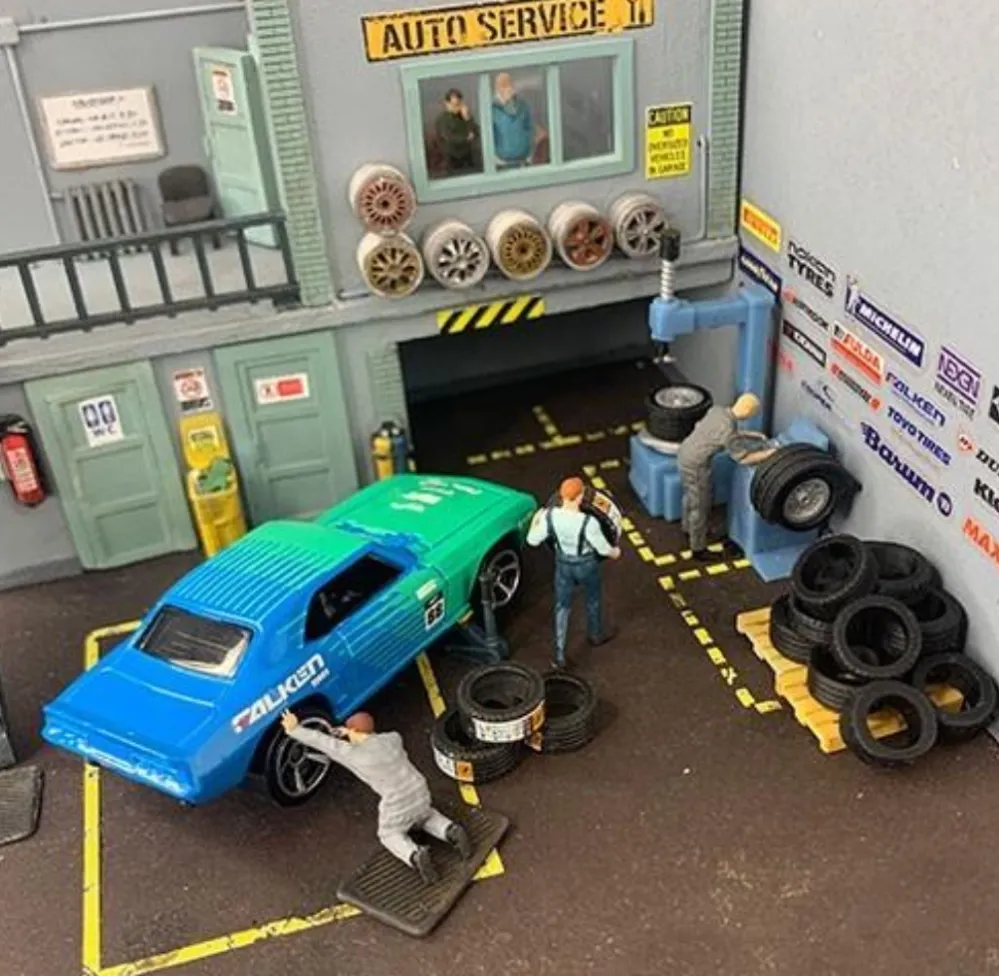
For example, an automotive workshop bundle might combine a suitable garage with selected workshop equipment. A parking display bundle could feature a parking structure and compatible accessories. An urban scene might bring together a street environment and figures that fit the setting.
The theme should explain why the items belong together.
Avoid adding unrelated products simply to increase the number of items in a bundle. Customers are more likely to understand the value when each component contributes to the overall display.
Before promoting a combination, confirm the products' scales, dimensions, and physical compatibility.
2. Offer Different Levels of Detail
Not every customer wants the same amount of detail or the same level of spending.
One shopper may prefer a simple scene with a few accessories. Another may want to create a more elaborate workshop or parking display.
Retailers can reflect these preferences with different product combinations.
Starter setup: A main scene with a small number of complementary accessories.
Expanded setup: The main scene plus additional equipment or figures.
Detailed setup: A larger combination for collectors who want to build a more elaborate environment.
These are merchandising ideas rather than fixed product packages. The exact contents should depend on the available products, compatibility, and customer demand.
Offering clear options can help customers choose a setup that suits their interests without feeling overwhelmed by a long list of individual accessories.
3. Use Accessories to Complement Core Products
A garage or parking structure may be the main attraction, while smaller accessories help complete the scene.
Consider the following combinations:
- Garage and workshop equipment: Suitable lifts, workbenches, or tire racks can add detail to a repair setting.
- Parking structure and display accessories: Complementary items can help collectors personalize a parking scene.
- Street scene and figures: Suitable figures can give an urban environment a stronger sense of activity.
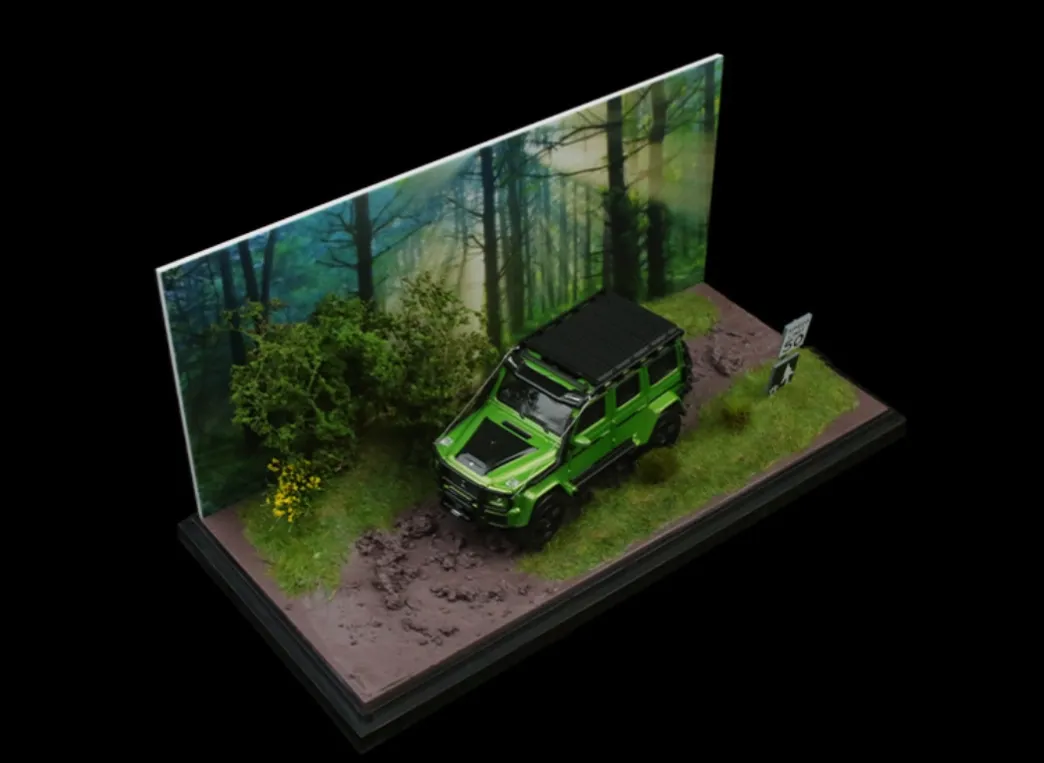
- Outdoor setting and themed details: Compatible accessories can help reinforce the environment.
The key is to recommend products based on how customers might use them, not simply because they belong to the same broad category.
This approach also makes product pages more useful. A short explanation of how an accessory fits into a scene can be more persuasive than a list of technical specifications alone.
4. Make Product Pages Answer Practical Questions
Collectors often want to know whether a product will fit their existing setup before buying.
For dioramas and accessories, useful information includes:
- Scale and overall dimensions.
- Number of levels or display areas, where applicable.
- Whether assembly is required.
- What is included in the package.
- Whether vehicles, figures, or accessories are included or sold separately.
- How the product can be used with other compatible items.
Clear photographs from different angles can also help customers understand the layout.
Don't imply that every vehicle or accessory shown in a promotional image is included with the main product. Make the package contents clear to avoid confusion.
For B2B buyers, accurate information is equally important when evaluating new products for a store. It helps them decide how to describe, display, and merchandise the item.
5. Give Customers Ideas, Not Just Product Lists
A product catalogue tells customers what is available. A scene example helps them imagine what they can create.
Retailers can show a garage with suitable workshop accessories, a parking structure with several vehicles, or a street scene with complementary figures. These examples help shoppers understand how separate items can work together.
On an online store, this can be done through related-product sections, themed category pages, or simple product combinations.
In a physical store, a small display can show the same idea at a glance.
Keep the presentation realistic. If the display uses products that are sold separately, explain that clearly. The aim is to inspire customers while setting accurate expectations.
6. Test Which Combinations Customers Prefer
Not every product combination will appeal to every customer.
A retailer might start by featuring a few combinations based on existing customer interests, then monitor which products receive clicks, questions, or orders.
Useful signals include:
- Which accessory categories attract the most attention.
- Which products are frequently purchased together.
- Which combinations generate questions about dimensions or compatibility.
- Which items customers ask to see in more detail.
Use these observations to refine your recommendations over time.
If your supplier supports mixed-model trial orders, you may also be able to assess several designs before committing to a larger purchase. Confirm the available quantities and terms with the supplier before planning your assortment.
7. Choose Products That Add Something New
When evaluating a potential supplier, consider whether the products complement your existing selection.
If your store already carries several standard garages, another similar design may not make a strong addition. A different parking layout, an urban scene, a workshop accessory set, or a suitable collection of figures may provide more variety.
Review product photos, dimensions, packaging, and specifications. Ask questions if any details are unclear.
For wholesale buyers, it is also useful to understand pricing, minimum order quantities, available mixed-model options, and shipping arrangements before deciding which products to introduce.
A thoughtful assortment is often more useful than simply adding more SKUs.
Explore Diorama Products for Your Store
Diorama accessories can help retailers present a more complete collecting experience. When garages, parking structures, workshop equipment, street scenes, and figures are selected around clear themes, customers can more easily find products that fit their displays.
Our range includes 1:64 garages and parking structures, street and urban scenes, workshop equipment, miniature figures, and selected larger-scale display scenes.
Planning to expand your diecast accessories range? Contact us to request our catalogue, check product specifications, and discuss wholesale pricing. Mixed-model trial orders may also be available, depending on the selected products and order requirements.
Tell us which product categories you are interested in, and we can help identify suitable options for your store.