Oct 26, 2026Industry News
What Retailers Should Consider When Sourcing Rotating Diecast Display Cases
A practical guide for retailers sourcing diecast display cases, covering scale compatibility, lighting, rotation, packaging, MOQ and sample testing.
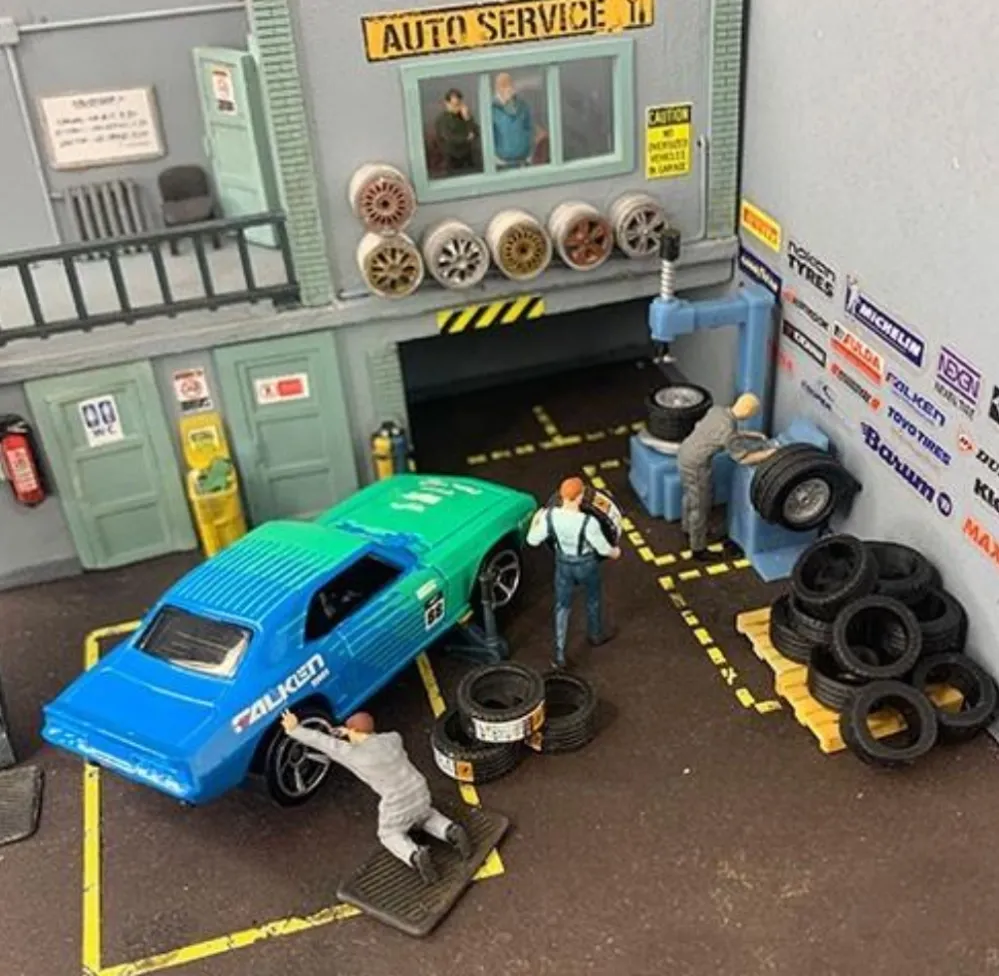
Diecast collectors are interested in more than the cars themselves. Display cases, miniature garages and diorama accessories give them more ways to present and personalize their collections.
For hobby stores, online retailers and distributors, adding the right display products can help broaden an existing diecast range. However, not every display case is suitable for every customer or model.
When sourcing diecast display cases wholesale, buyers should evaluate product compatibility, functionality, packaging and shipping costs before committing to a larger order.
1. Understand Your Customers' Display Preferences
Start by looking at the types of customers who buy from your store.
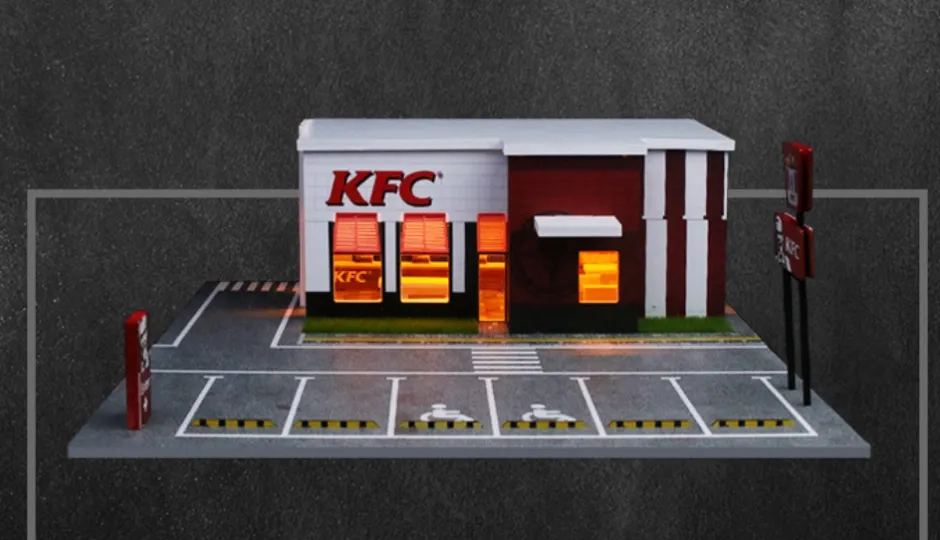
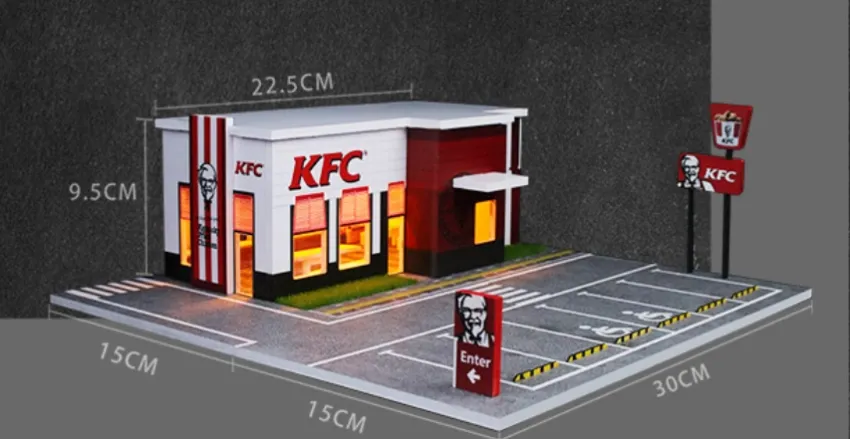
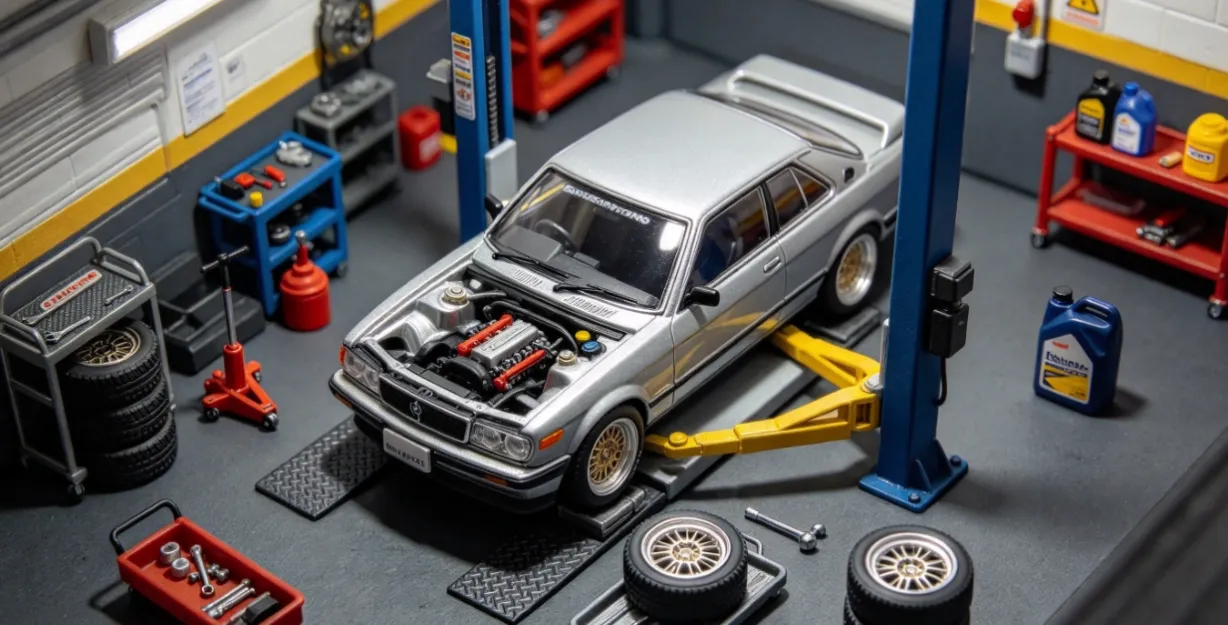
Some collectors prefer simple cases that protect individual cars. Others want miniature garages, realistic street scenes or display platforms that make one model the center of attention.
A rotating display box with adjustable LED lighting serves a different purpose from a basic static case. It gives the collector a more interactive display experience and can make a featured model stand out.
Before selecting products, consider whether your customers are mainly looking for protection, decoration, customization or a combination of these features.
2. Confirm Scale and Dimensions
Scale compatibility is one of the first things to check when sourcing miniature display products.
A display intended for 1:64 cars may not accommodate larger 1:43, 1:24 or 1:18 models. Even cars within the same scale can differ in length, width and height.
Ask suppliers for the external dimensions of the display case, the usable internal space and the size of the rotating platform, where applicable.
If customers may add miniature figures or accessories, check whether there is enough room for those items without interfering with the platform or the display cover.
3. Check the Rotating and Lighting Functions
For rotating display cases, buyers should verify how the platform operates and how the product is powered.
Useful questions include:
- Does the platform rotate continuously or operate through a specific control?
- What power source does the product require?
- Can the LED brightness be adjusted?
- Can the lighting and rotation operate independently?
- Are instructions included with the product?
Do not rely on product photos alone to evaluate these functions. Request a demonstration video or sample so that the operation can be checked before placing a larger order.
4. Evaluate Packaging and Shipping Costs
Display cases can take up considerable shipping space, especially when they include protective covers, lighting components and rotating mechanisms.
The product price alone does not show the full cost of importing the item. Retailers should also consider carton dimensions, gross weight, units per carton and the shipping method.
Ask the supplier to provide packing information for the specific models and quantities you are considering. This makes it easier to compare the total cost of different products and estimate the landed cost per unit.
For a first order, it may be useful to compare several possible combinations rather than automatically choosing the smallest shipment. The most economical option depends on the actual packaging, shipping rates and order quantities.
5. Review MOQ and Mixed-Model Ordering Options
Minimum order quantities can affect how easily a retailer tests a new display product.
Before ordering, confirm whether the supplier's MOQ applies to each model, each color or the total order. Also ask whether different models can be combined in one shipment.
A mixed-model order may allow a retailer to test different designs without committing too much inventory to a single item. However, availability depends on the supplier's production arrangements and the requirements of each product.
Clear agreement on quantities, pricing and lead time helps prevent misunderstandings later.
6. Request Samples Before a Larger Order
Samples are particularly useful for products with moving parts, electrical components or adjustable lighting.
A sample allows the buyer to check:
- Overall build and finish
- Rotation performance
- LED lighting operation
- Compatibility with target diecast models
- Space for figures and accessories
- Packaging condition and ease of setup
Retailers can also take their own product photos and videos to evaluate how the item might appear in an online listing.
If a product is intended for regular use, test the main functions rather than judging it only by its appearance.
7. Consider How the Product Fits Your Existing Range
A new display case should complement the products you already sell.
For example, a retailer that mainly sells individual diecast cars might test a rotating display box as an additional collector accessory. A store with an established diorama range might prefer more specialized garages, multi-car displays or workshop scenes.
Think about whether the product offers a new function, a different display style or a practical way to personalize a collection. This is more useful than adding another item simply because it belongs to the same category.
Conclusion
Sourcing diecast display cases wholesale involves more than comparing unit prices. Retailers should check scale compatibility, functional performance, packaging dimensions, minimum quantities and sample quality before choosing products for their customers.
A small, well-planned trial can help buyers understand customer interest and evaluate the full cost of stocking a new display product.
Sundortech offers miniature garages, diecast display scenes and accessories for collectors, retailers and distributors. Contact our team to request product details, wholesale pricing and sample availability.