Oct 26, 2026Industry News
How to Create a Miniature Automotive Showroom with 1:64 Diecast Cars
Learn how to create a miniature automotive showroom with 1:64 diecast cars, display platforms, lighting and accessories for a realistic collection.
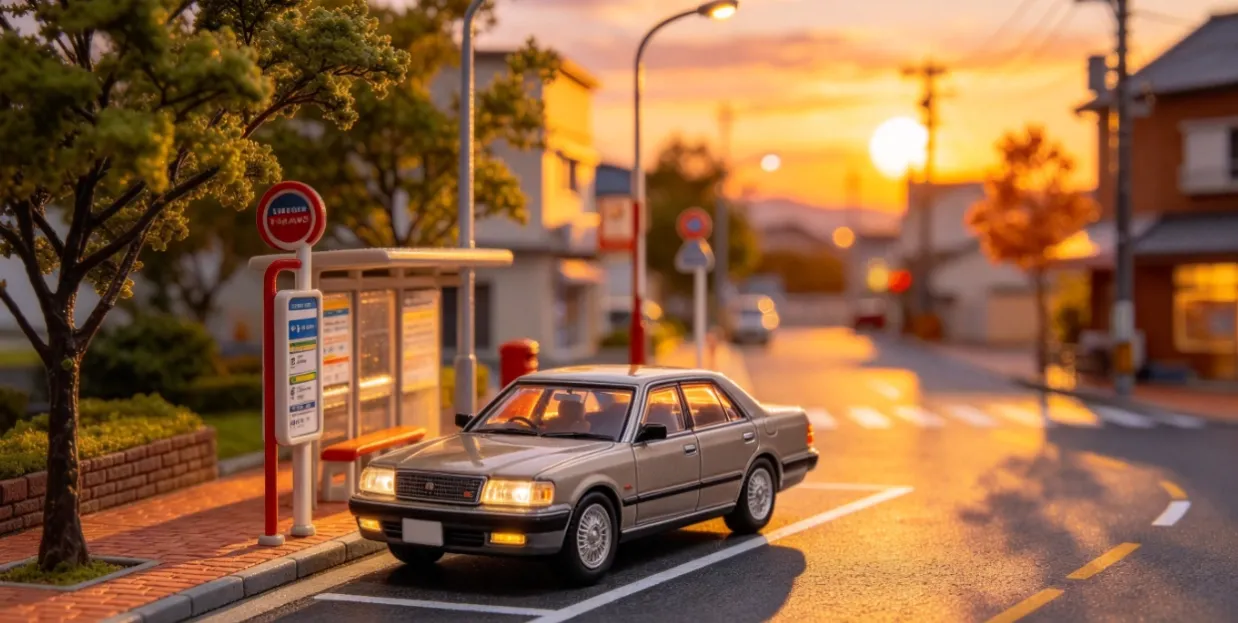
A miniature automotive showroom is an interesting way to display 1:64 diecast cars. Instead of arranging models in a simple row, collectors can create a small environment inspired by a real car dealership, luxury showroom or specialist automotive studio.
The best showroom displays do not need to be complicated. With the right layout, lighting and a few carefully selected accessories, even a small space can become an attractive setting for a collection.
1. Choose a Clear Showroom Theme
Before arranging the cars, decide what kind of showroom you want to create.
A modern luxury showroom may use clean lines, bright lighting and a neutral color scheme. A classic car showroom may look better with vintage-inspired details. A performance-car display could focus on darker tones and a more dramatic atmosphere.
Choosing a theme first helps keep the display consistent. It also makes it easier to decide which cars, figures and accessories belong in the scene.
For collectors with mixed collections, one option is to create separate display zones rather than combining every style in one area.
2. Plan the Layout Before Adding Cars
Space is often the biggest limitation in a miniature showroom. Placing too many cars too close together can make the scene look crowded and hide important details.
Start by identifying the main viewing angle. Decide which model should attract the most attention, then arrange the remaining cars around it.
Different layout options can work well:
- Single-row display: A simple arrangement for highlighting a small number of cars.
- Multiple display levels: Helps create depth and use vertical space.
- Corner showroom: Makes use of an otherwise empty shelf or desk corner.
- Separate display zones: Groups cars by brand, color, era or vehicle type.
Leave enough room between models for their shapes to remain visible. If the scene includes a rotating display platform, make sure nearby cars and accessories do not obstruct its movement.
3. Use Lighting to Highlight the Cars
Lighting can help separate a miniature showroom from a standard shelf display.
LED lighting can emphasize the body shape, paint finish and overall arrangement of the cars. Different lighting positions can also create different effects: overhead illumination gives the scene a clean showroom look, while focused lighting can draw attention to a featured model.
Avoid making the scene too bright if it causes reflections that hide the cars' details. A balanced setup should make the models easy to see without overwhelming the display.
If you plan to photograph the showroom, test the lighting from the same angle you intend to use for your pictures.
4. Add a Few Details for Realism
A showroom becomes more convincing when it includes small details that support the theme.
Depending on the available space, consider adding:
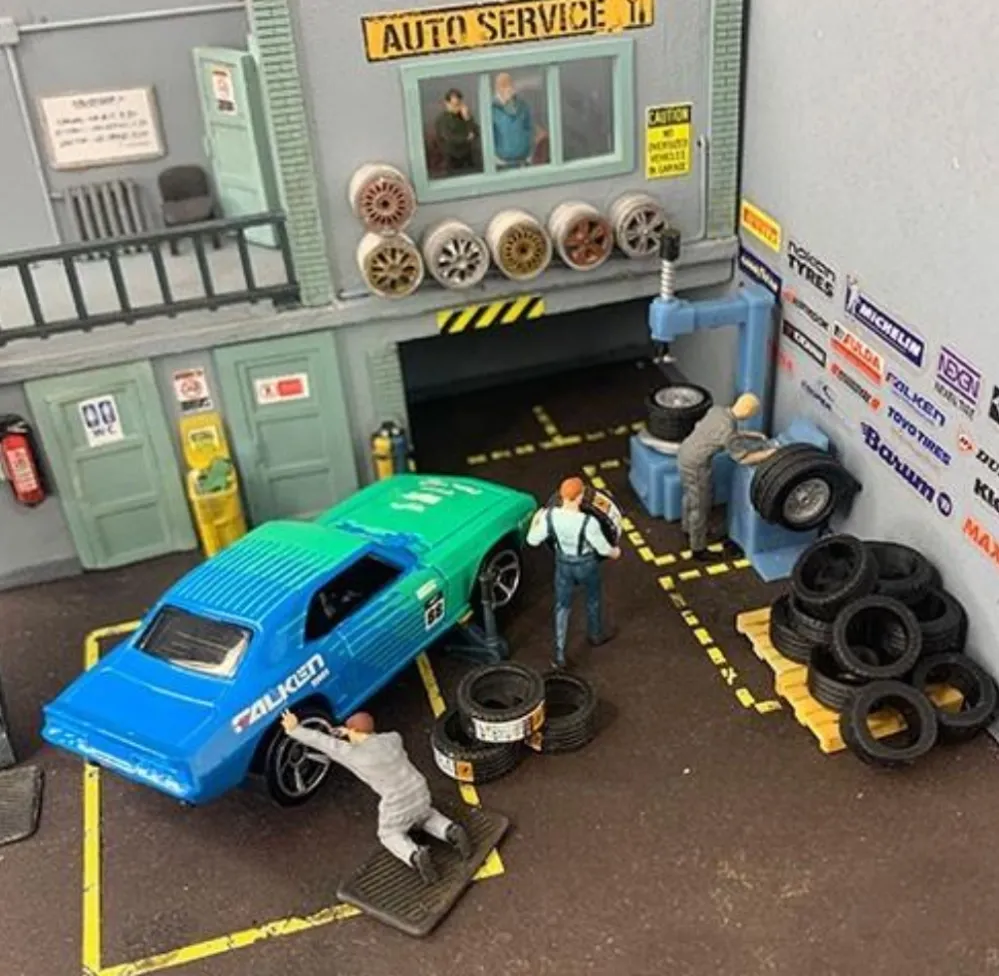
- Miniature figures representing customers or sales staff
- Small display platforms
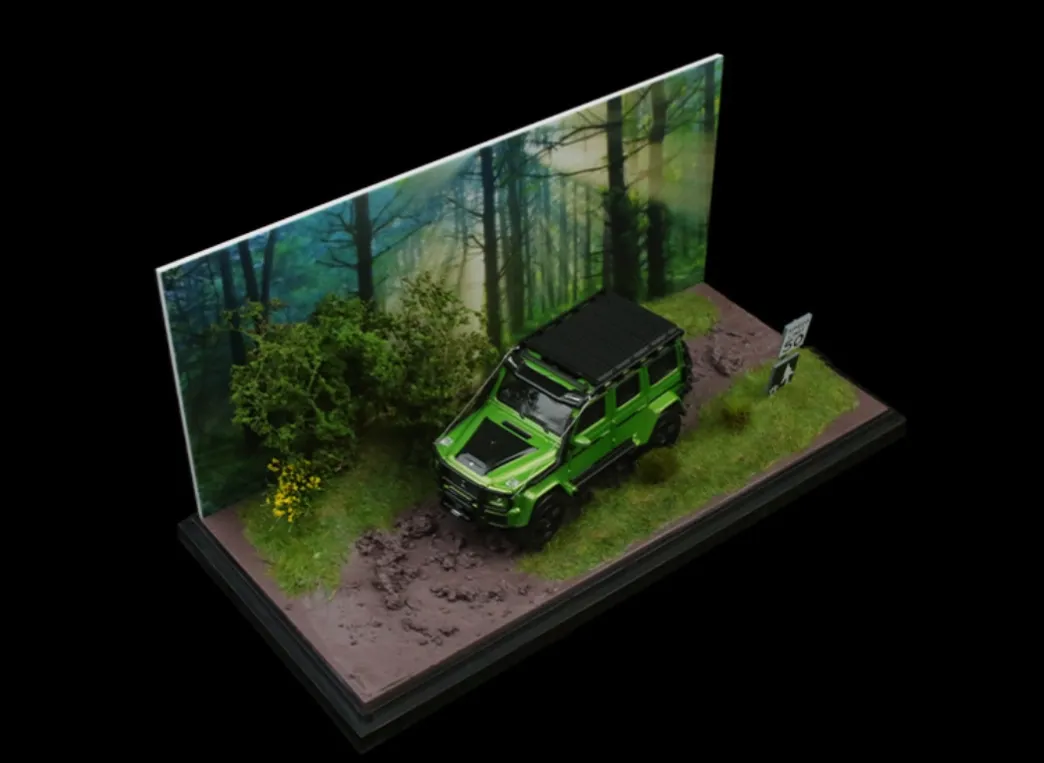
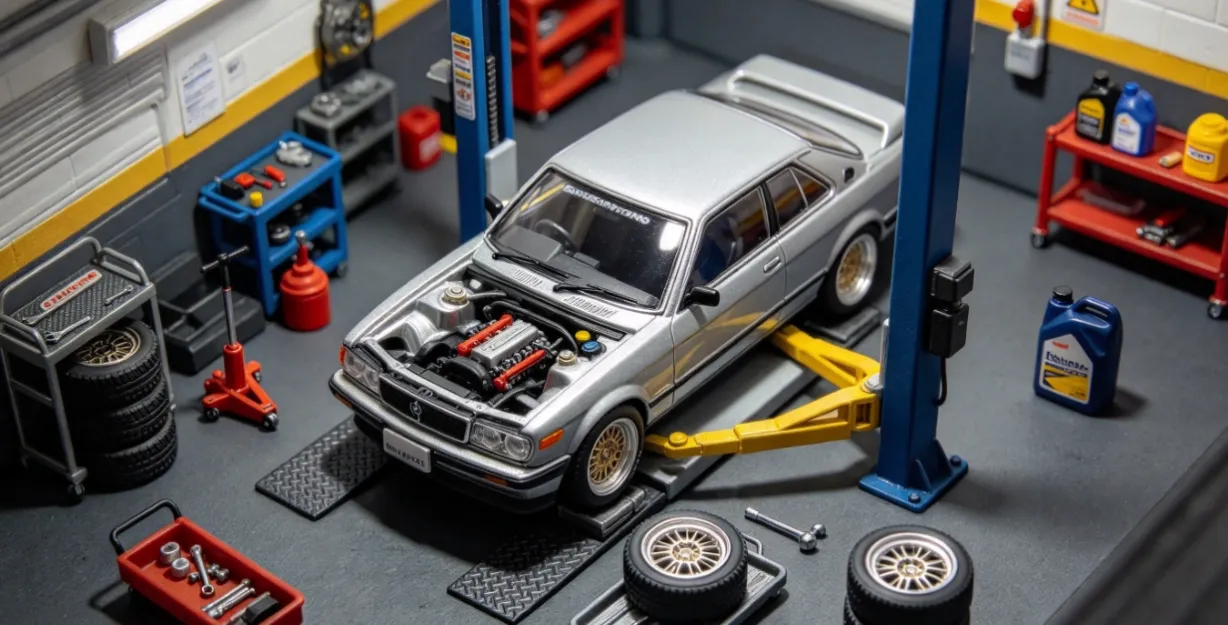
- Workshop or service accessories for a performance showroom
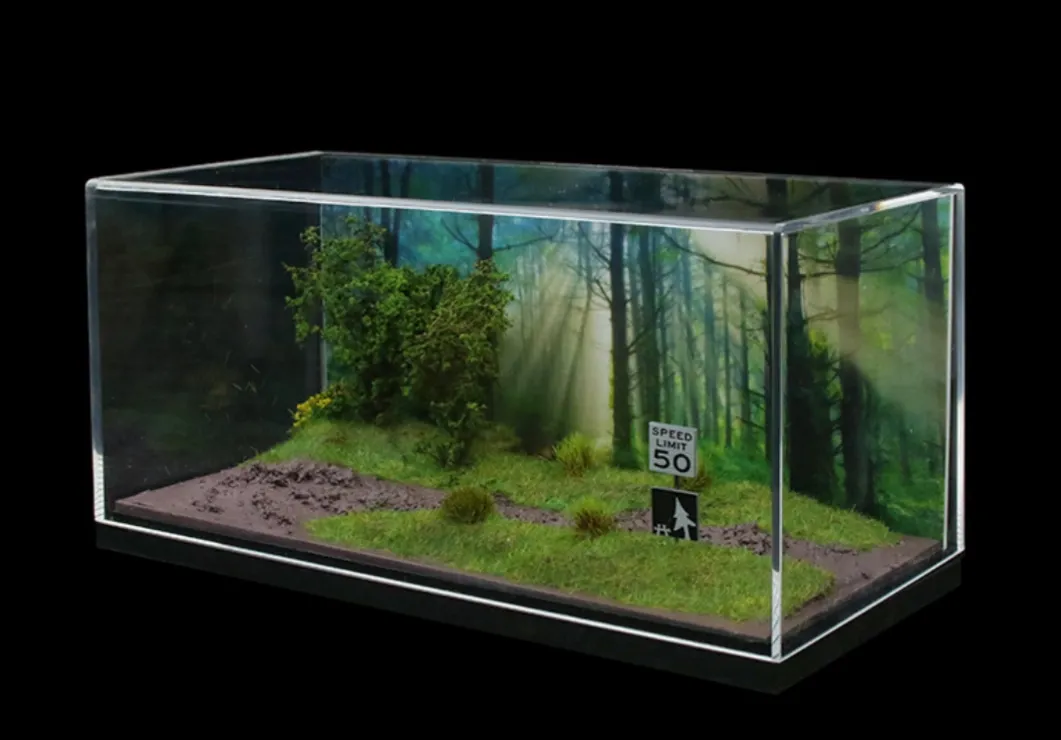
- Signs or visual elements that match the chosen theme
- A dedicated area for one special or limited-edition model
Do not add accessories simply to fill empty space. Each item should contribute to the scene and help the cars remain the main attraction.
5. Group Cars in a Way That Makes Sense
A good display can tell a story through the way models are arranged.
For example, a collector might group cars by manufacturer, place classic and modern versions of the same vehicle together, or create a performance-car section with sports cars and racing-inspired models.
Retailers can also use similar ideas when photographing products or creating themed displays in a store. Grouping related models helps customers compare different designs and gives the display a clearer purpose.
6. Keep the Showroom Easy to Maintain
A detailed miniature scene takes time to build, so it should also be practical to maintain.
Leave enough access to remove cars without damaging nearby accessories. Avoid placing loose items too close to the edge of a shelf. If the display is open, regular dusting may be necessary.
Collectors who frequently change their display may prefer a modular setup that allows individual sections to be rearranged without rebuilding the entire scene.
Conclusion
A well-planned 1:64 diecast showroom combines a consistent theme, a practical layout, balanced lighting and a few meaningful details. Whether you display luxury cars, classics or performance models, the aim is to create an environment that makes each vehicle more enjoyable to view.
For retailers, miniature showroom scenes can also help present diecast cars in a more engaging way and offer customers ideas for displaying their own collections.
Sundortech supplies miniature garages, display scenes and accessories for diecast collectors and trade buyers. Contact us to explore suitable products for your collection or retail range.