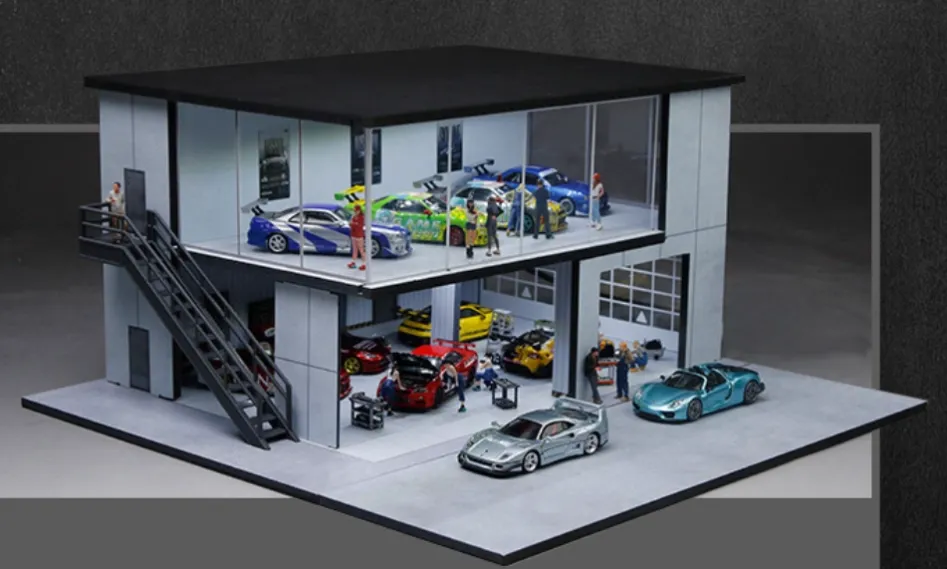
Oct 23, 2026Industry News
What to Know About Materials and Durability When Buying Diecast Dioramas
Materials, construction, moving parts, and packaging all contribute to the overall experience of a diecast diorama.
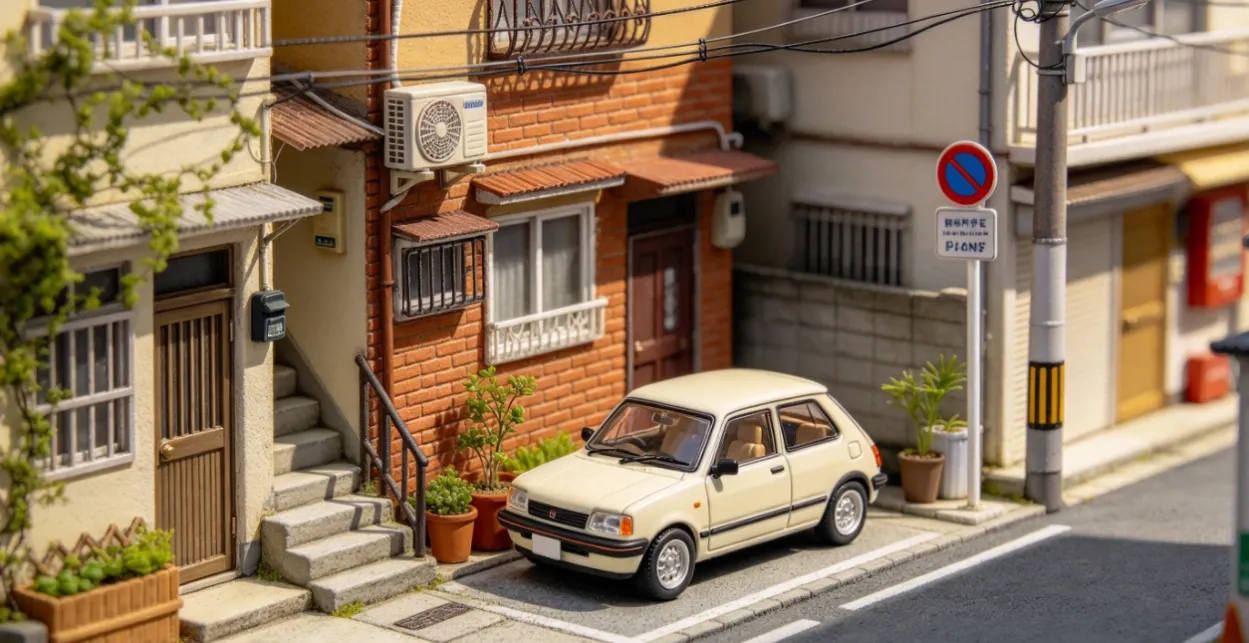
When choosing a diecast diorama, the design usually gets the most attention. A realistic garage, an attractive parking structure, or a detailed street scene can immediately catch a collector's eye.
However, materials and construction also matter. They affect the product's appearance, weight, handling, maintenance, and suitability for display.
For collectors, understanding these factors can help avoid disappointment after purchase. For retailers, knowing what to ask a supplier makes it easier to evaluate products before placing a wholesale order.
1. Check the Main Construction Materials
Miniature garages and dioramas can use different materials depending on their design and intended function.
Plastic components are common in miniature buildings, display structures, and many accessories. They can support detailed shapes and varied finishes.
Metal parts may be used in selected components or accessories where a different appearance or construction is required. The actual material depends on the individual product.
Some displays combine multiple materials to create different visual effects.
Rather than assuming that one material is always better, check the product specifications and consider how the item will be used.
2. Look Beyond the Product Photos
Product photos are useful for evaluating appearance, but they cannot answer every question about construction.
Before buying, check whether the supplier provides:
- Overall dimensions and product weight, where available.
- Material information for the main components.
- Details of moving parts, doors, lifts, or other mechanisms.
- Assembly requirements.
- Information about included accessories.
- Packaging details for storage and shipping.
If a product includes a dust cover, lights, or moving parts, confirm how those features work and whether any additional assembly or care is required.
These details are especially important for wholesale buyers who need accurate information for their own product listings.
3. Pay Attention to Moving Parts and Small Components
Some miniature garages include sliding doors, removable covers, lifts, or other interactive features.
These details can improve the display experience, but they also deserve closer inspection.
Check whether the parts move smoothly and whether they are designed to be handled frequently. Small accessories should be stored and handled carefully, especially when a display is regularly rearranged.
For products with multiple components, ask whether spare parts are available and what the supplier recommends if a component is damaged during transit.
Do not assume that every product has replaceable parts or that all accessories are designed for repeated movement. These details should be confirmed for each model.
4. Consider How the Diorama Will Be Used
The best product for a collector depends partly on where and how it will be displayed.
A stationary shelf display may prioritize appearance and available space. A scene that is frequently rearranged may require more attention to how accessories fit together and how easily components can be handled.
A display with a clear cover may help reduce dust accumulation, while an open scene may make it easier to position cars and accessories.
Neither option is automatically better. The choice depends on the collector's display habits and maintenance preferences.
5. Packaging Is Part of Product Protection
For online retailers and wholesale buyers, packaging deserves attention alongside the product itself.
A miniature structure may contain delicate edges, small accessories, or parts that need to remain in position during transportation.
Ask the supplier how the product is packed, whether accessories are secured separately, and whether the packaging has been evaluated for normal shipping conditions.
For wholesale orders, also consider the carton dimensions and the number of units packed per carton. These factors can affect storage requirements and shipping costs.
Where possible, reviewing a sample before placing a larger order can help you assess the product and its packaging directly.
6. How Retailers Can Evaluate Product Quality
Retailers should assess more than the appearance of a single sample.
A practical evaluation can include:
Construction: Check for visible defects, loose components, and uneven finishes.
Functionality: Test moving parts gently where the product is designed to have them.
Consistency: Compare the sample with the product photos and specifications supplied by the seller.
Presentation: Check whether the product looks appealing when displayed and whether the packaging communicates the product clearly.
Commercial suitability: Consider MOQ, wholesale price, packaging dimensions, and shipping arrangements.
These checks help retailers make more informed sourcing decisions and provide more accurate information to their own customers.
Conclusion
Materials, construction, moving parts, and packaging all contribute to the overall experience of a diecast diorama. Checking these details before purchasing helps collectors choose products that suit their displays and helps retailers evaluate products more carefully.
At Sundortech, we offer miniature garages, parking scenes, street dioramas, and workshop accessories for diecast display setups.
Need product details for your next wholesale order? Contact our team to discuss available models, specifications, MOQ, and pricing.