Oct 15, 2026Industry News
How Diecast Collectible Shops Can Test New Diorama Products Without Overbuying
Explore our range of miniature garages, parking structures, workshop accessories, and display solutions.
For a diecast retailer, adding new products is always a balancing act.
Customers want fresh designs and interesting accessories, but ordering too much stock can tie up cash and leave limited shelf space for products that sell more consistently.
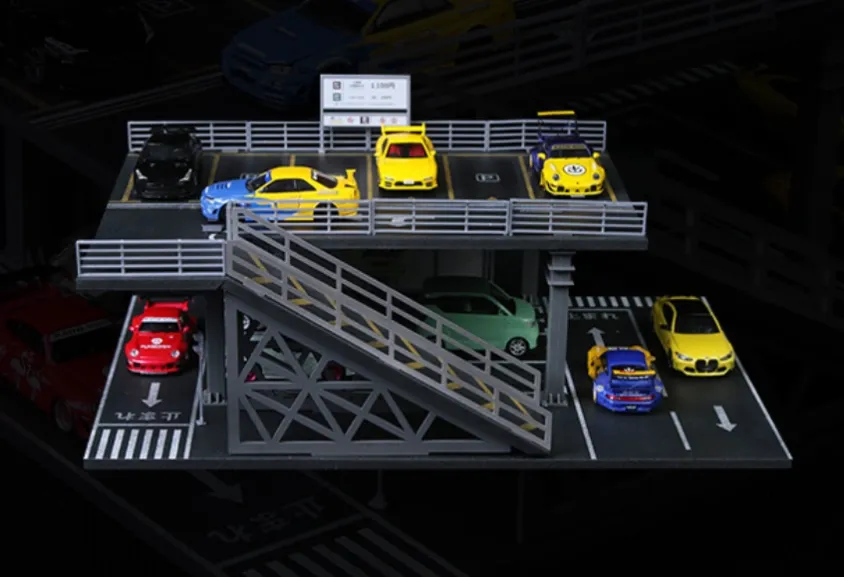
This is especially true for dioramas, parking garages, workshop accessories, and miniature display products. These items can attract collectors, but demand may vary depending on scale, design, price, and the interests of your customers.
So, how can a shop introduce new diorama products while keeping inventory risk under control?
Understand What Your Customers Actually Collect
Before ordering new products, look at the models and accessories your customers already buy.
Do they mainly collect 1:64 cars? Are they interested in larger 1:18 displays? Do they prefer parking garages, street scenes, or detailed automotive workshops?
These differences matter.
A shop with a strong 1:64 customer base may find compact multi-level garages and small workshop accessories more relevant than large display structures. Another shop may serve collectors who are willing to invest in more detailed display environments.
Reviewing past sales, customer questions, and requests for specific products can help you identify where a new product might fit.
You do not need complicated market research. Even a simple record of customer requests and repeat purchases can provide useful direction.
Test a Small Selection Before Expanding
When introducing a new product category, ordering a large quantity of one design can be risky.
A more flexible approach is to start with a small selection of different styles, where supplier terms allow it.
For example, a retailer could test a few types of 1:64 garages, several workshop accessories, and one or two products aimed at collectors looking for more detailed scenes.
This makes it easier to see which products attract attention.
If customers respond well to multi-level parking garages but show little interest in certain accessories, future orders can reflect that feedback.
The exact trial quantity will depend on supplier availability, product cost, shipping expenses, and the size of your business. The important point is to avoid committing heavily before you understand demand.
Look Beyond the Unit Price
A low purchase price does not automatically mean a product is a good wholesale choice.
Retailers should also consider packaging, shipping costs, product dimensions, storage requirements, and the likelihood of damage during transit.
Diorama products can vary significantly in size. A large garage may have an attractive unit cost but require more storage space and higher shipping expenses than smaller accessories.
Before placing an order, ask for the packed dimensions, carton quantity, gross weight, and available packaging options.
It is also worth checking whether products can be shipped together efficiently. Combining compatible items may help make a trial order more practical, depending on the supplier's terms and shipping method.
The goal is to understand the total landed cost, not just the price shown on a quotation.
Check Product Details Before Listing Them
Online shoppers want to know what they are buying.
For miniature garages and dioramas, useful product information includes:
- Scale and actual dimensions.
- Compatible vehicle sizes, where known.
- Materials and construction details.
- Whether a dust cover is included.
- Assembly requirements, if applicable.
- Packaging details and what is included in the box.
Clear product photos are equally important.
A single front-view image may not show the height, internal layout, ramps, cover design, or smaller accessories. Additional angles and close-up photos help retailers evaluate the product and create more informative listings.
Before committing to a new item, request current photos and specifications. If the product's appearance, dimensions, or construction are unclear, ask the supplier to confirm the details rather than relying on assumptions.
Consider the Customer Experience After Purchase
A product may look attractive online but still disappoint customers if it is difficult to assemble, unstable, or poorly packaged.
For garages with multiple levels, check how the components connect and whether the structure remains stable when used as intended.
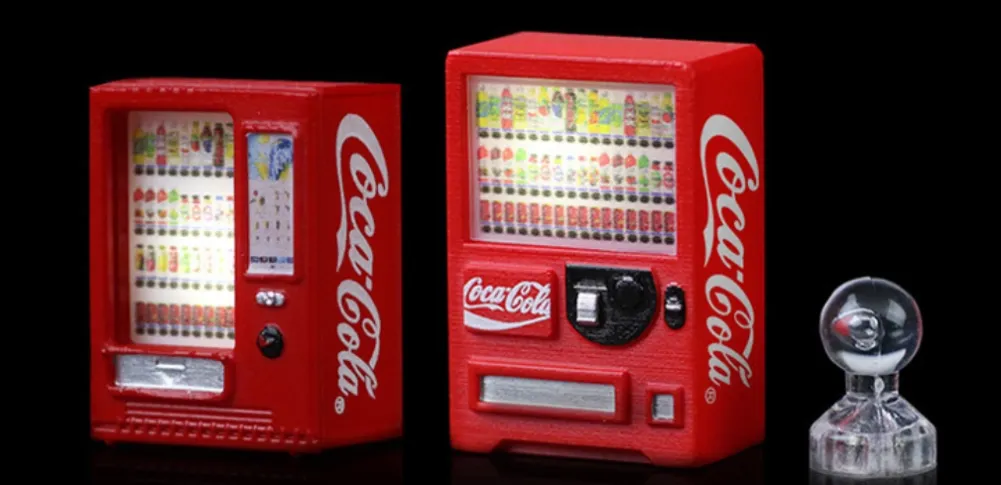
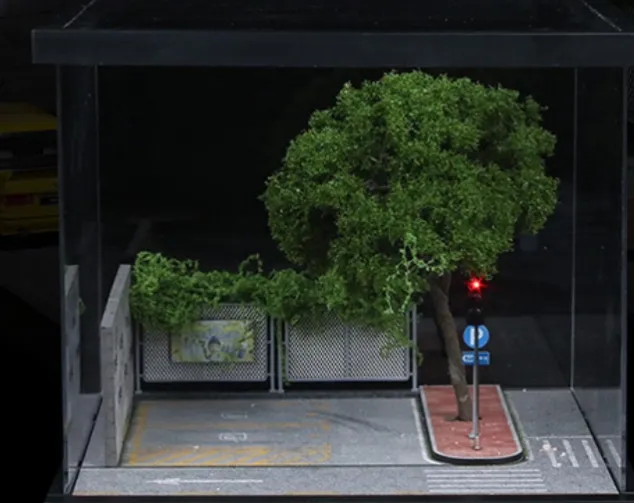
For products with transparent covers, inspect visibility, fit, and ease of access. For small figures and workshop accessories, pay attention to the finish and how the pieces are protected during shipping.
Where possible, evaluate a sample before making a larger commitment.
This is particularly helpful for products that customers will handle, assemble, or combine with models they already own.
A little extra checking before listing a product can help reduce avoidable complaints later.
Ask Suppliers the Right Questions
A useful supplier should be able to explain the product clearly and help you understand the purchasing options.
Before ordering, consider asking:
- Can different designs be combined in a trial order?
- What are the minimum order quantities for each style?
- Are samples available, and what do they cost?
- Can you provide actual product dimensions and current photos?
- What packaging options are available?
- What is the estimated production lead time?
- Can repeat orders be placed if the product sells well?
Not every supplier will offer the same flexibility, but asking these questions early helps you compare options more accurately.
Use Real Sales Feedback to Plan the Next Order
After introducing new products, track more than just the number of units sold.
Pay attention to which designs receive inquiries, which products customers buy together, and what questions repeatedly come up before a purchase.
A product that sells slowly may need better photos or a clearer description. Another may attract plenty of attention but have a price point that does not suit your market.
Use these observations to adjust your next order instead of automatically restocking every item.
Grow Your Range Step by Step
Expanding a diecast shop does not have to mean taking a large inventory risk.
By understanding your customers, testing a carefully selected range, checking product details, and calculating the full purchasing cost, you can make more informed decisions about which diorama products deserve a place in your store.
The right strategy is not to stock everything. It is to find products that fit your customers and build your range around what they actually want to buy.
Looking for new products for your diecast shop?
Explore our range of miniature garages, parking structures, workshop accessories, and display solutions. Share the scales and styles your customers prefer, and we can help you identify suitable options for your next product trial.