Oct 29, 2026Industry News
How to Create Better Product Pages for Diecast Dioramas
Learn how diecast retailers can improve diorama product pages with clear specifications, useful images, accurate scale information, and better buying guidance.
Selling miniature garages and diecast dioramas online presents a challenge: customers cannot pick up the product, examine its dimensions, or place their own cars inside before buying.
That makes the product page especially important.
A useful listing should do more than display an attractive photograph. It should answer practical questions, explain what is included, and help customers decide whether the product suits their collection.
For diecast retailers, improving these details can make product comparisons easier and reduce avoidable confusion.
Start with a Clear Product Title
A product title should explain what the item is without forcing customers to guess.
For example, a title such as “1:64 Miniature Automotive Workshop Diorama” communicates more than a vague name such as “Racing World Series 03.”
Where appropriate, include the product type and scale. If the item is a multi-level parking structure, a garage, or a street scene, make that distinction clear.
Avoid adding unrelated keywords simply to make the title longer. The title should accurately describe the product customers will receive.
Show the Product from Useful Angles
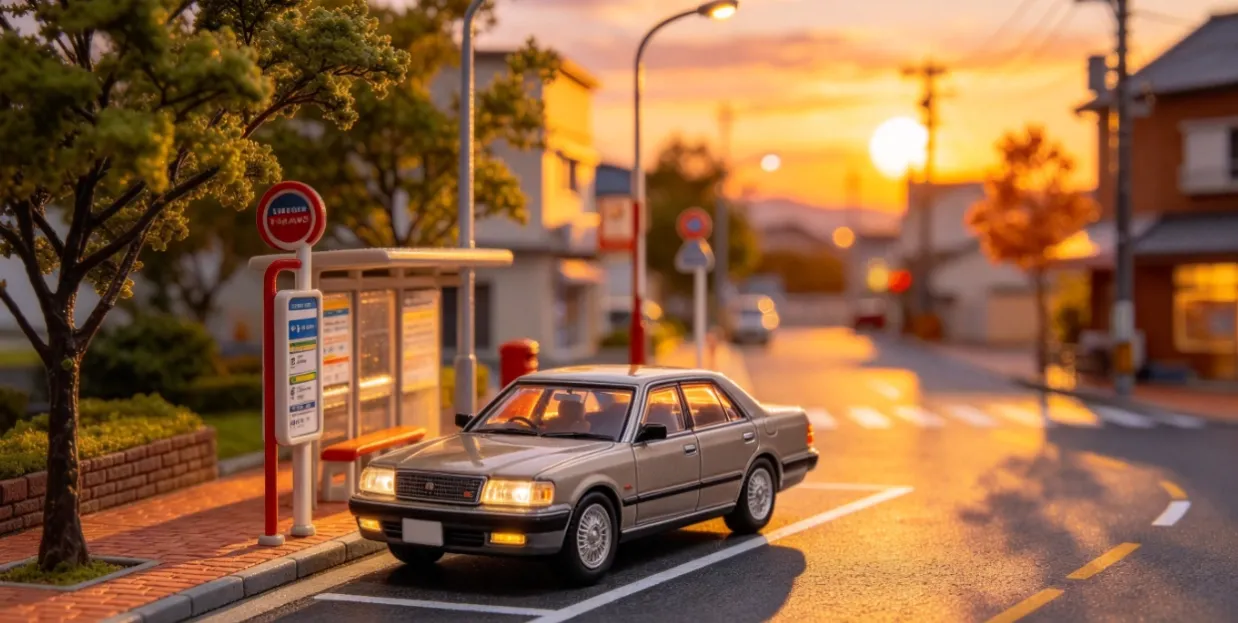
A single front-facing image may not reveal enough information about a miniature scene.
Consider including:
- A front view showing the overall design
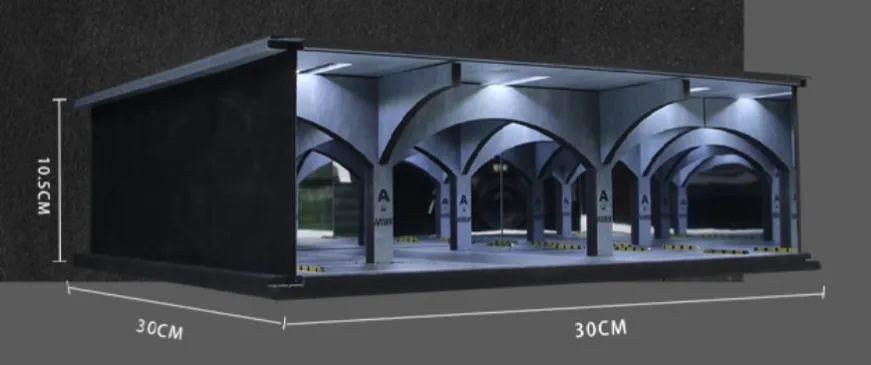
- A side view showing depth and height
- A close-up of important details
- A view of the interior or parking spaces
- A photograph showing the product with a suitable diecast car
Each image should answer a different question. Repeating almost identical photographs adds less value than showing the structure from different angles.
If lighting is included, show how the product looks with the lights switched on and off, where applicable.
Make Scale and Dimensions Easy to Find
Scale is important to diecast collectors, but the actual dimensions of the product are equally useful.
A listing should state the nominal scale and the external dimensions. Depending on the design, it may also be helpful to include entrance height, parking-bay width, or clearance between floors.
These measurements help customers compare the product with their existing vehicles and available display space.
Avoid making broad compatibility claims unless they have been verified. Two cars labeled 1:64 can still differ in length, width, and height.
Explain Exactly What Is Included
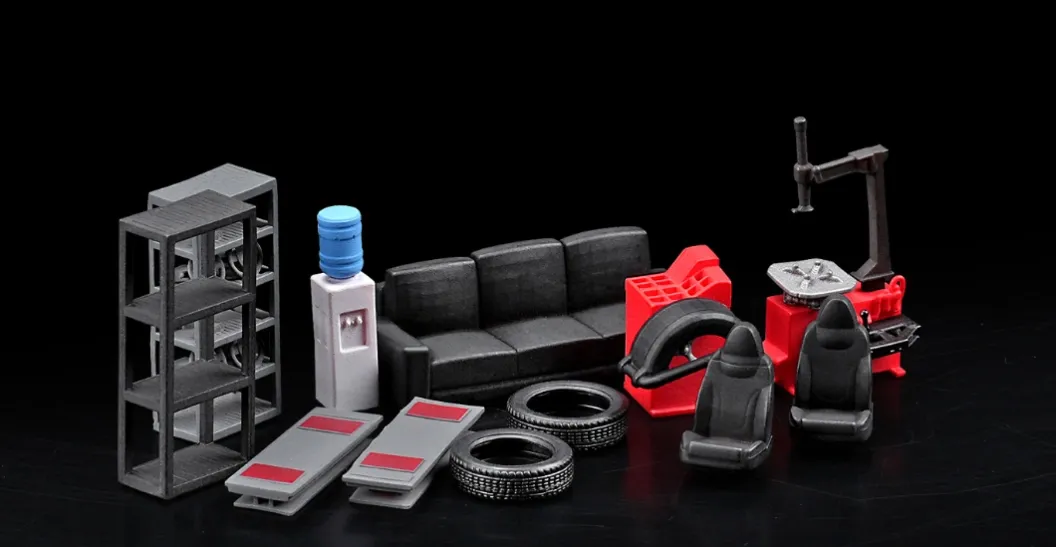
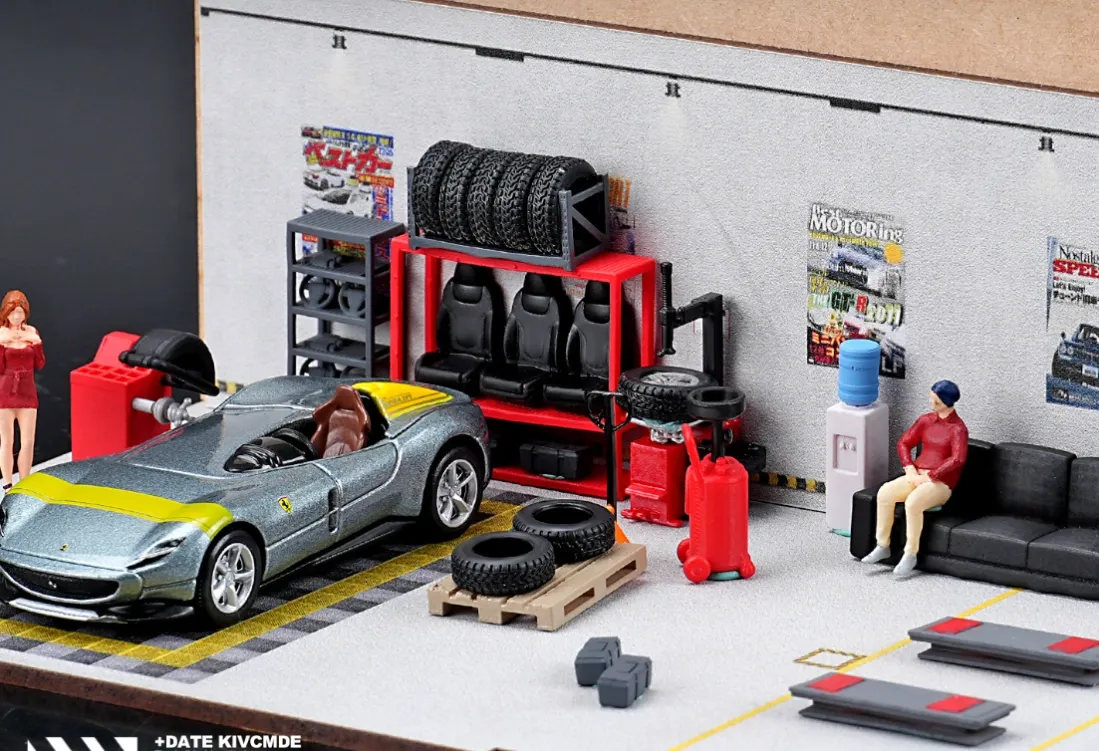
Product photographs sometimes show a complete scene containing a building, several cars, figures, and accessories. Customers need to know which of these items are actually included.
Use a dedicated section to list the package contents.
For example, explain whether the price includes the main structure, lighting components, accessories, assembly materials, or miniature figures. If the vehicles in the photographs are for display purposes only, state this clearly.
If certain accessories are available separately, provide a link to those products when possible.
Clear information helps customers understand the offer before placing an order.
Include Practical Product Details
Different types of dioramas raise different questions.
For a garage, customers may want to know the entrance dimensions and internal space. For a parking structure, they may want to understand the number of parking bays and the clearance between floors. For a street scene, the overall footprint and layout may be more important.
Where the information is available, explain:
- Materials and construction
- Assembly requirements
- Lighting features
- Product dimensions
- Included accessories
- Care and handling considerations
Only publish specifications that have been confirmed. If a detail has not been verified, ask the supplier rather than estimating it.
Write Descriptions for People, Not Just Search Engines
Search keywords can help customers discover a product, but a product description should still be useful to someone considering a purchase.
Explain who the product may suit, what type of scene it creates, and what the buyer should check before ordering.
For example, a miniature workshop description might explain how the space can be used to display a favorite vehicle alongside repair accessories. A multi-level parking structure description could focus on vertical display space and the importance of checking vehicle clearance.
Use the main keyword naturally in the title, introduction, and relevant headings. There is no need to repeat the same phrase in every paragraph.
Link to Related Products Where It Helps
A customer browsing a garage may also be interested in repair tools, tire racks, figures, or other accessories.
Relevant internal links make it easier to discover these products. They can also help search engines understand how the pages on your website relate to one another.
Keep recommendations accurate. If a tool set or figure is not included with the garage, make that clear. If two products have not been checked for scale compatibility, avoid claiming that they are guaranteed to fit together.
Review the Page After Publishing
A product page should be reviewed when specifications, photographs, or availability change.
Check that images load correctly, links lead to the intended products, and the listed package contents remain accurate. If you discover a recurring customer question, consider adding the answer to the product description.
Retailers can also review which pages attract enquiries and which details customers frequently request. This information may help identify missing product information or opportunities to improve the listing.
Final Thoughts
A useful diecast diorama product page combines clear images, accurate specifications, transparent package contents, and practical buying guidance. These details help collectors understand the product and allow retailers to present their ranges more professionally.
We offer miniature garages, parking structures, street scenes, and automotive display accessories for diecast collectors and retailers. Contact us to discuss available products, specifications, and wholesale enquiries.