Oct 29, 2026Industry News
How to Evaluate the Quality of a Diecast Diorama
Learn what to check when evaluating a diecast diorama, including construction, surface finish, dimensions, assembly, accessories, and packaging.
A miniature garage or automotive diorama may look impressive in a product photograph, but pictures alone cannot always show how the product is constructed or how it will perform in everyday use.
Collectors want a display that looks good alongside their vehicles. Retailers and wholesale buyers also need to consider consistency, packaging, handling, and the information provided by the supplier.
Understanding what to inspect can help both groups make better purchasing decisions.
1. Examine the Overall Construction
Start by looking at how the main structure is assembled.
Check whether the walls, floor, roof, ramps, and other components appear properly aligned. If the product contains multiple parts, review how they fit together and whether the assembly instructions are clear.
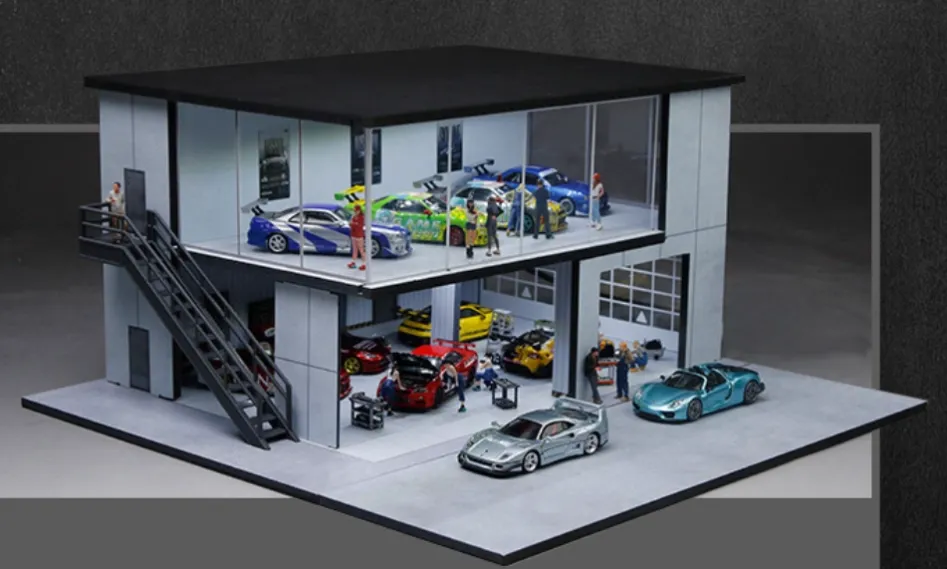
For a multi-level parking structure, pay attention to the connections between floors and ramps. For a garage, check the alignment of the entrance and the available space inside.
Do not judge quality by the number of features alone. A simpler scene with well-finished components may be more suitable for some collectors than a complicated design with details that are difficult to assemble.
2. Look Closely at the Surface Finish
The finish affects how a miniature product looks beside a diecast vehicle.
Examine visible surfaces for uneven coloring, obvious marks, rough edges, or inconsistent printing. Check whether signs, road markings, and decorative details appear clear and appropriately placed.
Not every miniature product needs a perfectly smooth finish. Road surfaces and workshop floors may intentionally include texture. The important question is whether the finish matches the intended design and is applied consistently.
When evaluating a product online, request additional photographs if important areas are not visible.
3. Check Dimensions and Vehicle Clearance
A well-made diorama still needs to fit the vehicles it is intended to display.
Measure the model car and compare its dimensions with the available parking bays, entrances, ramps, and internal space. Consider mirrors, spoilers, and other parts that extend beyond the main body.
If the product is intended for multiple vehicles, check the available space for each car rather than relying only on the total number of parking spaces shown in promotional photographs.
For wholesale buyers, accurate dimensions are also important for product listings, shipping calculations, and customer enquiries.
4. Review the Small Details
Accessories and decorative elements can contribute significantly to the finished appearance.
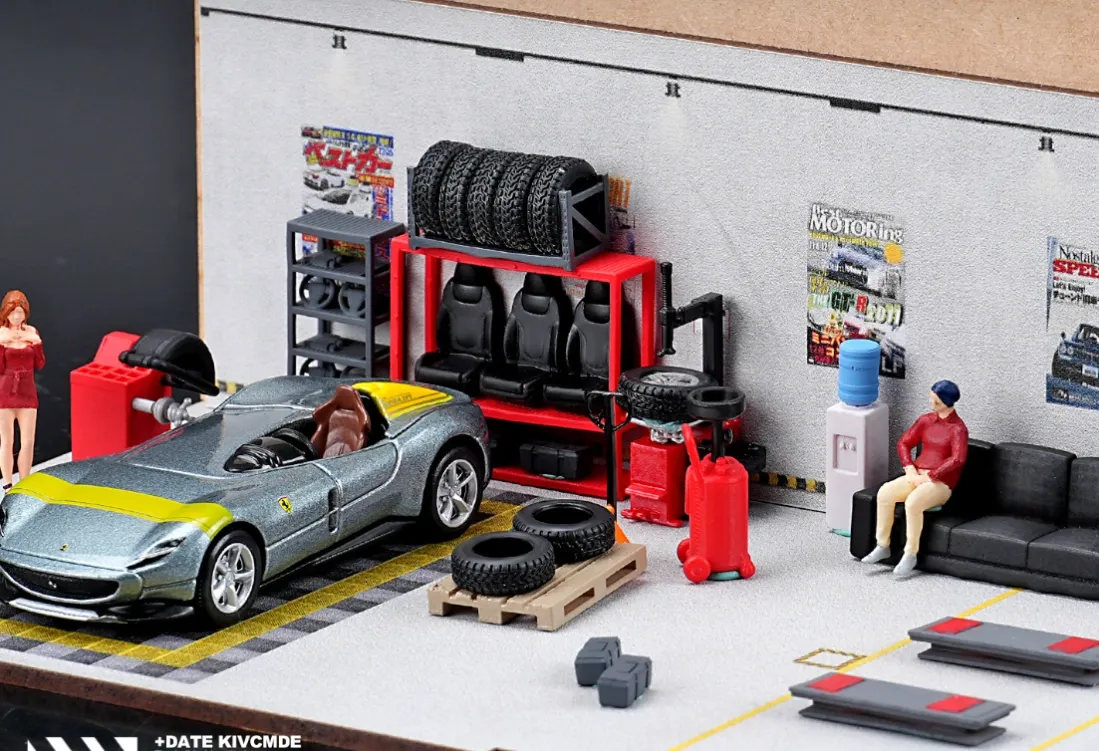
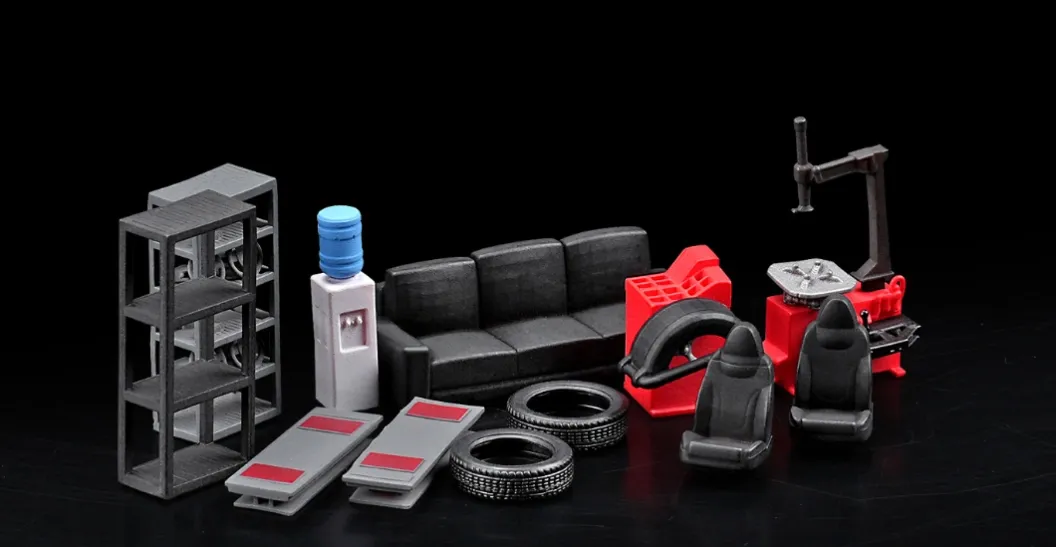
Look at the quality of signs, barriers, tool cabinets, miniature figures, and other included components. Check whether they are correctly represented in the product description and whether the quantity matches what is supplied.
If accessories are sold separately, make sure this is stated clearly. Photographs may show additional cars or equipment that are not part of the package.
For small components, also consider how easy they are to handle and position.
5. Understand Assembly and Handling Requirements
Some dioramas are ready to display, while others require assembly.
Before buying, check whether the product includes instructions and whether any additional materials or tools are required. If the structure contains small or delicate components, understand how they should be handled.
For retailers, assembly requirements can affect how customers perceive the product and how much support they may need after purchase.
If you are unsure, a sample can help you evaluate the assembly process before ordering a larger quantity.
6. Evaluate Packaging and Protection
A miniature display product may contain projecting parts, separate accessories, or large panels that require protection during transport.
Check how the product is packed and whether the packaging helps keep components organized. For wholesale orders, confirm carton dimensions, packing quantities, and whether accessories are packed together or separately.
If you intend to sell online, consider how the product will be stored, handled, and shipped to individual customers. The packaging should be suitable for the product's construction and distribution requirements.
7. Use a Sample to Answer Remaining Questions
Photographs and specifications are useful, but they may not answer every question about a product.
A sample allows you to inspect the actual finish, measure the structure, test the assembly process, and compare the product with your diecast cars.
For a retailer, this can also help with product photography and preparation of an accurate online listing.
Before requesting a sample, identify the questions you need it to answer. This makes the evaluation more practical than simply checking whether the product looks like the photographs.
A Simple Quality Checklist
When reviewing a miniature diorama, consider these areas:
- Construction and component alignment
- Surface finish and printed details
- Actual dimensions and vehicle clearance
- Accuracy of included accessories
- Assembly and handling requirements
- Packaging and protection
- Consistency between the sample and product specifications
The relative importance of each factor depends on the product type and how it will be used.
Final Thoughts
Evaluating a diecast diorama involves more than judging its appearance. Construction, finish, dimensions, included components, and packaging all contribute to the overall buying decision.
We offer miniature garages, parking structures, street scenes, and automotive display accessories for collectors and retailers. Contact us to request product specifications and discuss sample availability for selected items.