Oct 28, 2026Industry News
How Diecast Retailers Can Help Customers Choose the Right Diorama
Learn how diecast retailers can explain miniature dioramas, match display scenes with customer interests, and help model car collectors find suitable display products.
Selling More Than the Model Car
For many collectors, buying a diecast car is only part of the hobby. They may also want a garage, a parking scene, a street corner, or a display case that gives the vehicle a suitable place to be shown.
For retailers, this creates an opportunity to offer products that complement existing model car collections.
However, not every customer understands what a diorama is or how to choose one. Some shoppers may assume that miniature scenes are only decorative backgrounds. Others may be interested but unsure whether their cars will fit.
A little product education can make the buying process easier and help customers choose a display they will actually use.
1. Start With the Customer's Collection
The easiest way to recommend a diorama is to ask what kind of cars the customer collects.
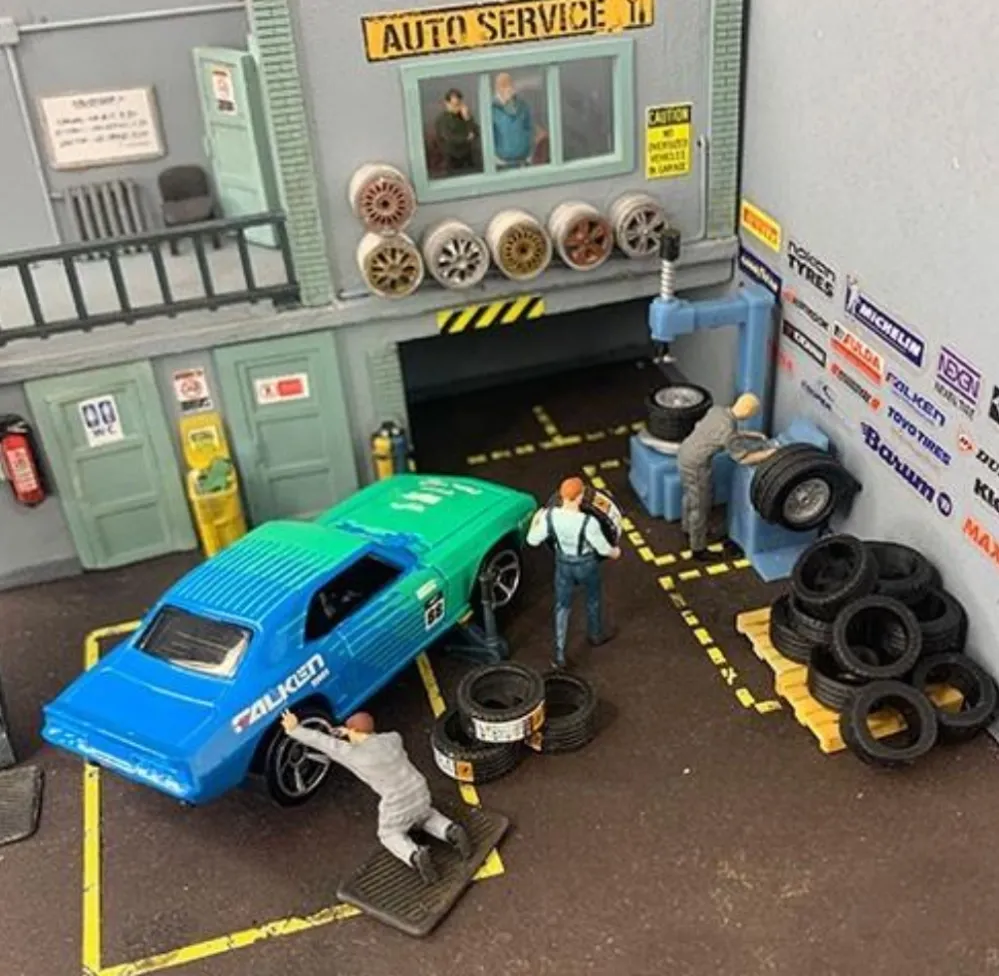
A customer who collects modified Japanese sports cars may prefer a street scene or performance garage. Someone who enjoys classic cars may be more interested in a traditional workshop or roadside setting. A collector with many different vehicles may prefer a parking structure that can accommodate several models.
These are useful starting points, not fixed rules. Customers often have varied interests, so it helps to understand the collection before suggesting a particular scene.
Retailers can organize their display products by theme, such as:
- Garages and workshops
- Multi-level parking structures
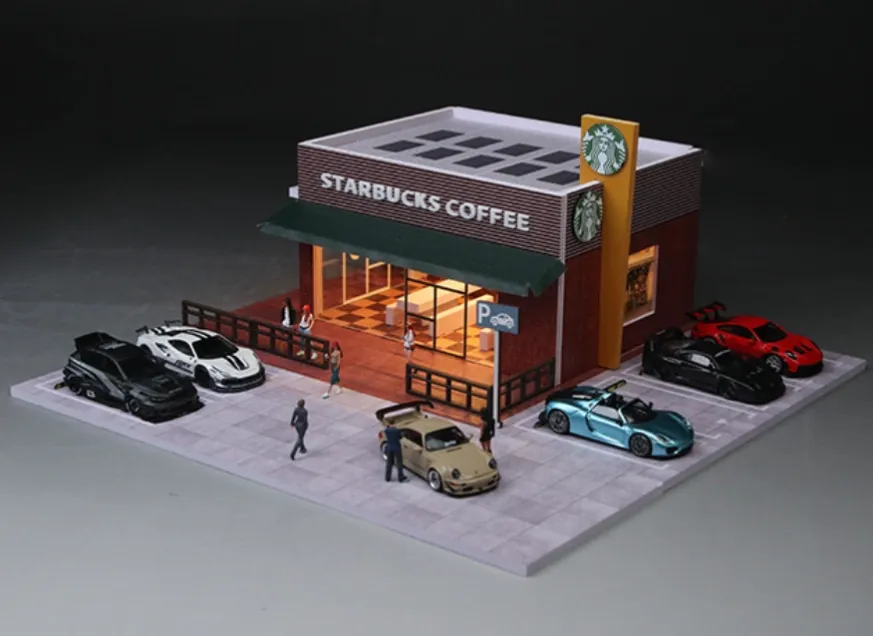
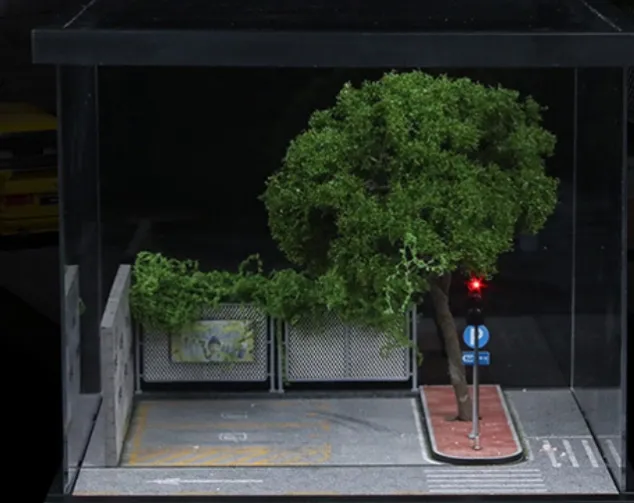
- City streets and storefronts
- Roadside and service station scenes
- Display cases and illuminated displays
Clear categories help shoppers understand the differences without needing to study every product individually.
2. Explain What the Diorama Actually Includes
One of the simplest ways to avoid confusion is to make the product contents clear.
A customer may see a photograph showing a garage surrounded by several cars, tools, and figures. If the product only includes the building, the customer needs to know that before placing an order.
Product pages and shelf labels should clearly explain whether the following are included:
- The main building or scene
- The display base
- Lighting components
- Miniature accessories and figures
- Diecast cars
- Assembly materials or instructions
If the cars shown in product images are for illustration only, state this clearly.
Good product information helps customers make informed decisions and reduces the chance of disappointment after delivery.
3. Make Scale and Dimensions Easy to Understand
Scale is important, but the scale label alone may not answer every customer's question.
A 1:64 diorama is designed around a particular miniature scale, yet individual diecast models can differ in size. Customers may also want to know whether a vehicle can pass through a garage entrance or fit between the walls of a parking bay.
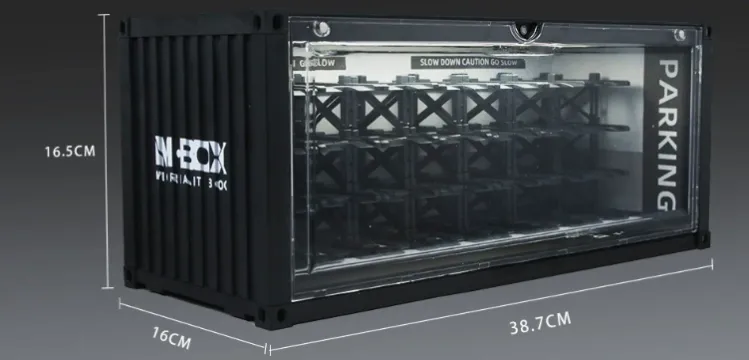
Retailers should provide actual dimensions wherever possible. Useful measurements include the full footprint, entrance height, parking-bay width, and clearance between floors.
If compatibility with a particular model brand has not been tested, avoid promising a perfect fit. Instead, provide the measurements and invite customers to compare them with their vehicles.
This is especially helpful for collectors who own larger trucks, modified cars, or models with extended spoilers.
4. Help Customers Choose Between Display Styles
Different customers have different priorities.
Some want a compact scene that fits on a desk. Others want to display several cars together. Some prefer an open layout where every detail is easy to see, while others want an illuminated display that stands out on a shelf.
Rather than describing every product as the best option, explain what each type is designed to do.
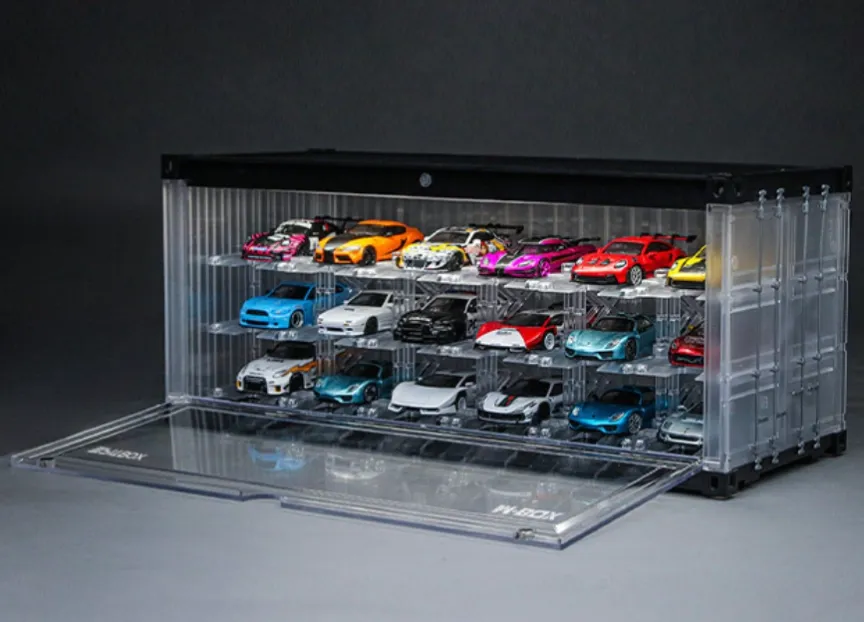
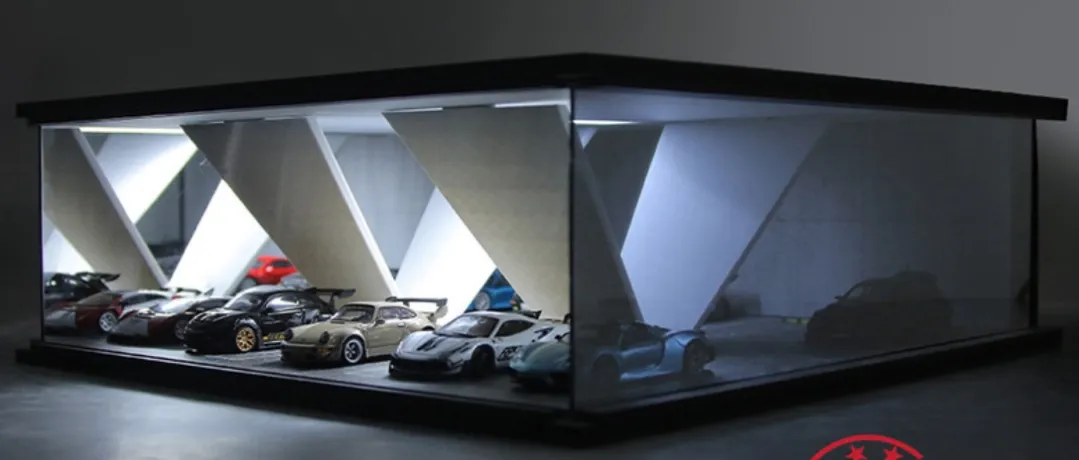
For example, a compact garage can suit a collector who wants to feature one or two favorite vehicles. A multi-level parking structure can make better use of vertical space when displaying a larger collection. A street scene can provide a setting for photographs or a more detailed miniature layout.
This approach makes product recommendations more useful and less sales-driven.
5. Use Product Images to Answer Practical Questions
Good photographs do more than make a product look attractive. They help customers understand its size, layout, and everyday use.
Retailers should consider showing:
- A front view that clearly shows the overall design
- A side view that reveals depth and height
- A close-up of important details
- A view with a diecast car placed inside
- A photograph showing the product's actual footprint
If lighting is included, photographs taken with the lights switched on and off can help explain the difference.
For larger scenes, a photograph showing the product on a desk or shelf can also give customers a better sense of scale.
6. Introduce Dioramas Without Making Customers Feel They Need a Large Setup
Some collectors may hesitate to buy a diorama because they assume it requires a large display area or a substantial investment.
Retailers can make the category more approachable by offering a range of sizes and styles. A customer who is new to miniature scenes may prefer to start with a compact garage or a small street display before considering a larger layout.
Clear information about assembly, dimensions, and included components can also reduce uncertainty.
The aim is not to persuade every customer to buy the largest scene. It is to help them find a product that suits their collection, available space, and budget.
7. Choose Products That Complement Your Existing Range
For retailers, dioramas are often most relevant when they complement the model cars already being sold.
Before expanding a display-accessory range, review the scales, vehicle types, and customer interests represented in your existing assortment. Consider whether customers mainly collect 1:64 cars, larger-scale models, racing vehicles, classics, or modified street cars.
A focused selection can be easier to explain and manage than a large collection of unrelated scenes. Retailers can also gather customer feedback to learn which themes attract the most interest before expanding the range further.
Final Thoughts
Helping customers choose a diecast diorama is largely about making the options clear. Explain what is included, provide accurate dimensions, show how the scene works with a model car, and recommend products based on the customer's interests.
For retailers looking to expand their display-accessory selection, Sundor Tech offers miniature garages, parking structures, street scenes, and other diorama products for diecast collectors. Contact us to discuss available models, product specifications, and wholesale options.