Oct 28, 2026Industry News
How to Arrange Diecast Cars in a Multi-Level Parking Diorama
Discover practical tips for arranging diecast cars in a multi-level parking diorama, from choosing focal vehicles to balancing space, colors, and visual flow.
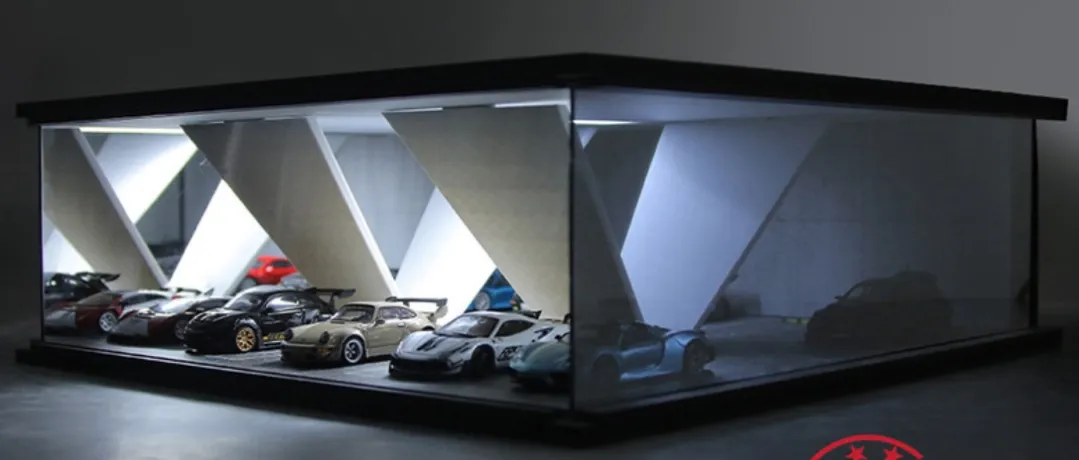
More Parking Spaces Do Not Always Mean a Better Display
A multi-level parking diorama gives collectors a way to display several diecast cars in one compact setup. Different floors create visual depth, while ramps, parking bays, and building details make the collection feel more like a real parking structure.
But there is a common problem: filling every available space can make the scene look crowded.
A better approach is to plan the arrangement before placing every car. Think about which vehicles deserve attention, how the colors work together, and whether the viewer can easily understand the layout.
Here are some practical ways to make a multi-level parking display look more organized.
1. Choose a Focal Car for Each Level
Start with the vehicles you most want people to notice.
You might place a favorite supercar on the top level, a group of classic cars on the middle level, and everyday vehicles on the ground floor. Alternatively, you could arrange each level around a different vehicle type, brand, or era.
There is no single correct arrangement. The important thing is to give the eye a reason to move through the scene.
If every floor contains the same number of similar-looking cars, the display may feel repetitive. Varying the arrangement slightly can create a more interesting result.
2. Leave Some Parking Spaces Empty
It can be tempting to fill every parking bay, especially when you have a large collection. However, empty spaces can make the vehicles that remain more noticeable.
Open areas also help viewers see the floor markings, ramps, walls, and other structural details.
Try leaving one or two spaces empty near a featured car. This creates visual breathing room and makes the display feel less compressed.
For collectors who enjoy changing their displays regularly, empty bays also provide flexibility when a new model arrives.
3. Balance Vehicle Colors and Shapes
Color is an easy way to improve a display without buying additional accessories.
If one level contains several bright red or yellow cars, consider spreading some of those colors across other floors. You can also place a dark-colored vehicle beside a lighter one to make each car stand out.
Pay attention to vehicle size as well. A large SUV or truck may look crowded beside several wide-bodied sports cars, particularly in a narrow parking bay.
Before arranging the entire collection, try a few combinations and view the structure from the front. Small adjustments can make a noticeable difference.
4. Keep Ramps and Entrances Visible
Ramps and entrances are important visual features in a parking garage. They explain how vehicles move between floors and help the structure look functional.
Avoid placing cars or accessories where they completely block these details. If a ramp is a prominent feature, leave enough room around it to show the direction of travel.
You can also use vehicle placement to suggest movement. For example, one car can sit near an exit while another is parked deeper inside the structure.
These small choices give the display a more natural appearance.
5. Check Vehicle Clearance Before Buying
Not every diecast vehicle fits every miniature parking structure, even when both are described as 1:64 scale.
Some models are longer, wider, or taller than others. Modified cars with large spoilers may also need additional clearance.
Before choosing a multi-level parking diorama, check:
- The width and length of each parking bay
- The height between floors
- The clearance around ramps and entrances
- The overall dimensions of the structure
- The number of vehicles that can be displayed comfortably
If you collect several brands or vehicle types, compare the measurements with your largest models rather than checking only your smallest car.
6. Add Details Without Overloading the Scene
Miniature signs, barriers, figures, and lighting can make a parking structure more interesting. The key is to use them where they contribute to the scene.
A few figures near an entrance can suggest activity. Parking signs can make different levels easier to distinguish. LED lighting can help highlight the structure when it is displayed in a room with limited ambient light.
You do not need to decorate every floor equally. A simpler level can help balance a more detailed one.
7. Plan for Cleaning and Rearranging
A display should be enjoyable to maintain as well as to look at.
If you frequently change your vehicle arrangement, leave enough access to remove cars without disturbing the entire structure. Check whether the product has removable components or areas that are difficult to reach when cleaning.
For open parking structures, occasional dusting may be necessary. A display location away from direct sunlight and heavy foot traffic can also help keep the scene looking presentable.
Final Thoughts
A well-arranged multi-level parking diorama combines vehicle selection, color balance, open space, and practical layout planning. You do not need to fill every bay or add accessories to every corner. A few deliberate choices can make the whole collection easier to appreciate.
Sundor Tech offers miniature parking structures, garages, and street scenes for diecast display projects. When choosing a setup, compare the product dimensions and parking clearances with the cars you plan to display.