Oct 29, 2026Industry News
Diecast Racing Diorama Ideas for Realistic Model Car Displays
Discover how to create a realistic diecast racing diorama with pit lane details, racing cars, barriers, crew figures, and miniature track accessories.
Racing diecast cars capture the look of speed, competition, and automotive engineering. Displaying them in a suitable environment can make a collection even more interesting.
Instead of arranging every racing car on a plain shelf, collectors can recreate a pit lane, a race-day service area, or a small section of a motorsport facility. These settings provide context for the vehicles and create opportunities to use miniature accessories in creative ways.
You do not need a full miniature race circuit to create an engaging racing diorama. A small, carefully planned scene can still communicate the atmosphere of motorsport.
Choose a Racing Theme First
Before selecting a diorama, decide what part of the racing world you want to represent.
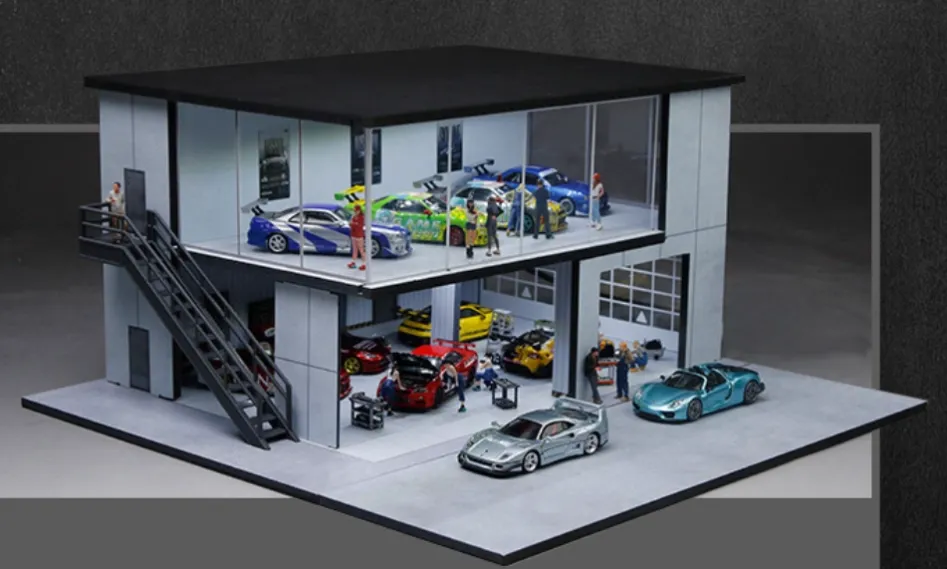
A pit lane scene focuses on the area where racing cars stop for service. It may include garage entrances, tool cabinets, tire stacks, and crew figures.
A trackside scene can feature barriers, road markings, safety signs, and a section of racing surface. A workshop scene, on the other hand, can focus on vehicle preparation and maintenance before a race.
Choosing one clear theme helps you select compatible accessories and prevents the scene from becoming visually confusing.
Make the Racing Car the Main Attraction
The car should remain the focal point of the display.
If you have a favorite racing model with distinctive livery, place it where its paintwork, sponsor graphics, and body details are easy to see. Avoid surrounding it with so many accessories that the vehicle becomes difficult to notice.
For a multi-car display, consider arranging vehicles in a way that suggests different stages of a race weekend. One car might be positioned near a garage, while another sits beside a service area.
You can also group vehicles by racing category, team colors, or era if that better suits your collection.
Add Pit Lane Details
Miniature accessories can help communicate the purpose of a racing scene.
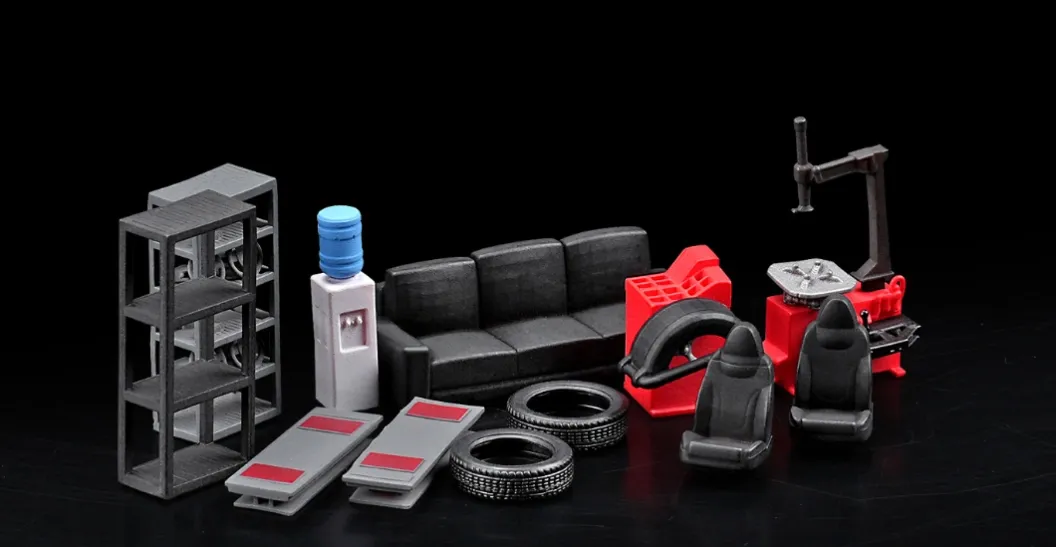
Useful details may include:
- Tire stacks and tire racks
- Tool cabinets and workbenches
- Floor jacks and repair equipment
- Mechanics and crew figures
- Safety barriers and traffic cones
- Garage signs and pit lane markings
Choose accessories that fit the available space and the style of the scene. A small pit lane may only need a few details, while a larger garage environment can accommodate additional equipment.
If you combine products from different sources, check their dimensions and proportions before arranging them together.
Check Scale and Space
Scale compatibility is particularly important when building a racing diorama. A racing car may have a different body width or spoiler height from a standard road car in the same nominal scale.
Before purchasing a scene, check the dimensions of the display base, garage entrances, and any parking or service spaces. Make sure there is enough room to position the car without blocking important details.
For 1:64 collections, compact layouts can work well on desks and shelves. Larger-scale racing models may require a wider base and more clearance around the vehicle.
Actual measurements are more useful than relying on the scale label alone.
Use Color to Create a Consistent Scene
Racing cars often feature strong colors and detailed liveries. The background should support these features rather than compete with them.
Neutral garage walls, gray track surfaces, and restrained accessories can help colorful vehicles stand out. Alternatively, you can use barriers, signs, and markings to create a more vibrant motorsport environment.
Try arranging the car and the main accessories before adding small details. This makes it easier to judge whether the colors and layout work together.
Keep the Display Easy to Change
Many collectors regularly add new racing cars to their collections. A flexible layout makes it easier to update the scene without rebuilding everything.
Leave some open space around the main vehicle and avoid fixing every accessory into a crowded arrangement. If you want to rotate cars frequently, consider how easily each model can be removed and replaced.
A modular-looking arrangement can also make it easier to change the theme from a race-day pit lane to a workshop or service area.
Final Thoughts
A convincing diecast racing diorama is built around a clear motorsport theme, suitable vehicle placement, and accessories that support the scene. Whether you prefer a compact pit lane or a detailed racing garage, careful planning can make your collection more engaging.
We offer miniature garages, workshop scenes, parking structures, and automotive display accessories for diecast collectors and retailers. Contact us to learn more about available designs and product specifications.