Oct 29, 2026Industry News
How to Build a Miniature Automotive Display Collection That Customers Want to Explo
Building a miniature automotive display collection is about matching products to the vehicles and interests of your customers.

A good miniature automotive display range should offer more than a collection of unrelated products. It should help customers discover different ways to enjoy their diecast cars, from simple display setups to detailed automotive scenes.
For retailers, the challenge is choosing a range that makes sense for their customers while keeping stock, space, and purchasing costs manageable.
Whether you run a specialist model shop or an online diecast store, a planned product assortment can make miniature display products easier to understand and browse.
Begin with Your Existing Diecast Range
Before choosing display products, review the vehicles your customers already buy.
If most of your customers collect 1:64 cars, compact garages, parking structures, and smaller accessories may be relevant. If your store focuses on larger models, you will need to confirm that the display products are designed for the appropriate scale.
Customer interests matter as much as scale.
A store with many racing collectors may find workshop themes relevant. A retailer selling classic cars may prefer traditional garages or period-inspired street scenes. A store with a broad selection of everyday vehicles might consider parking and urban environments.
Use your existing product range as a starting point rather than selecting accessories at random.
Organize the Collection Around Clear Themes
Themes help customers understand what each product is designed for.
Garage and Workshop Displays
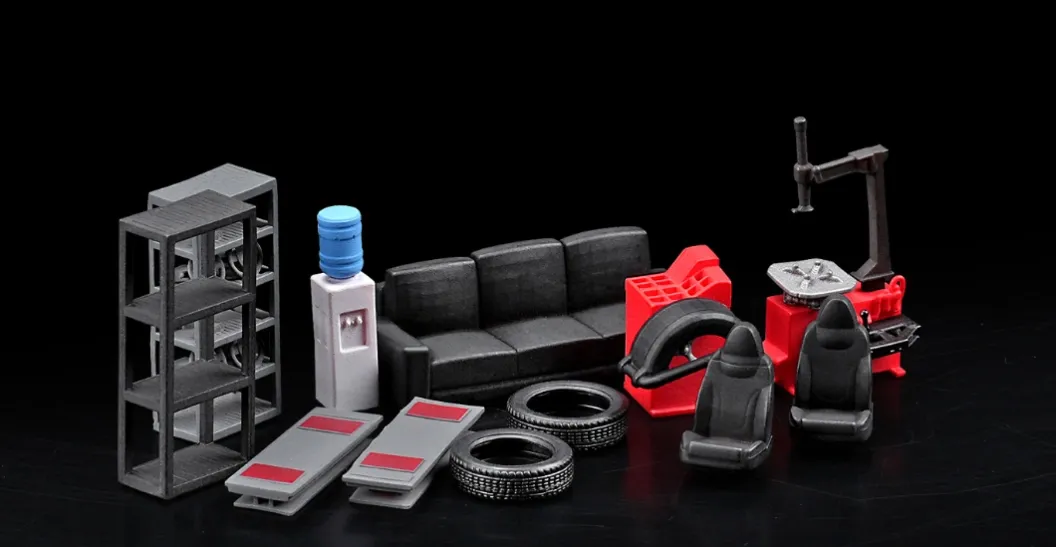
These products suit collectors who want to recreate an automotive maintenance environment. Miniature repair tools, tire racks, workbenches, and workshop equipment can add detail to the scene.
Parking and Storage Displays
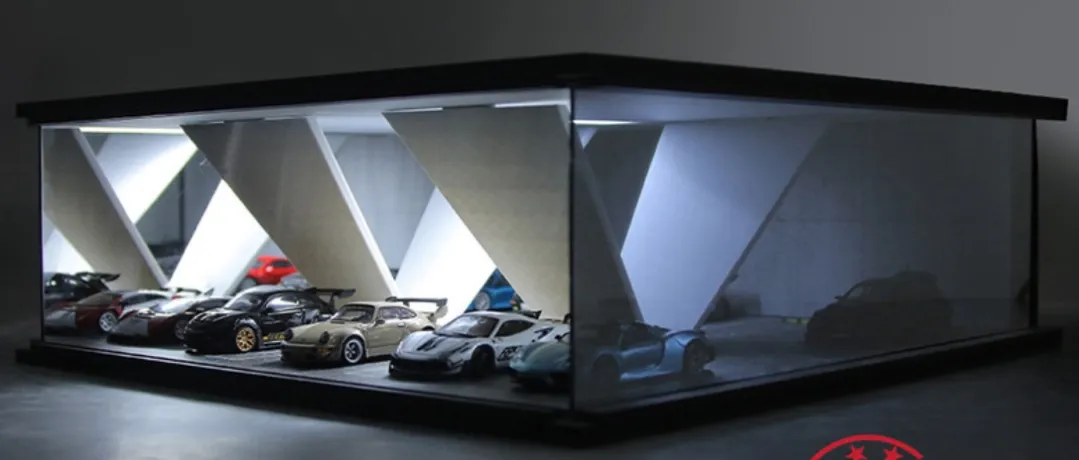
Parking structures provide a way to arrange multiple vehicles in a shared setting. Before choosing a product, check its overall footprint, parking-bay dimensions, and available clearance.
Street and Urban Scenes
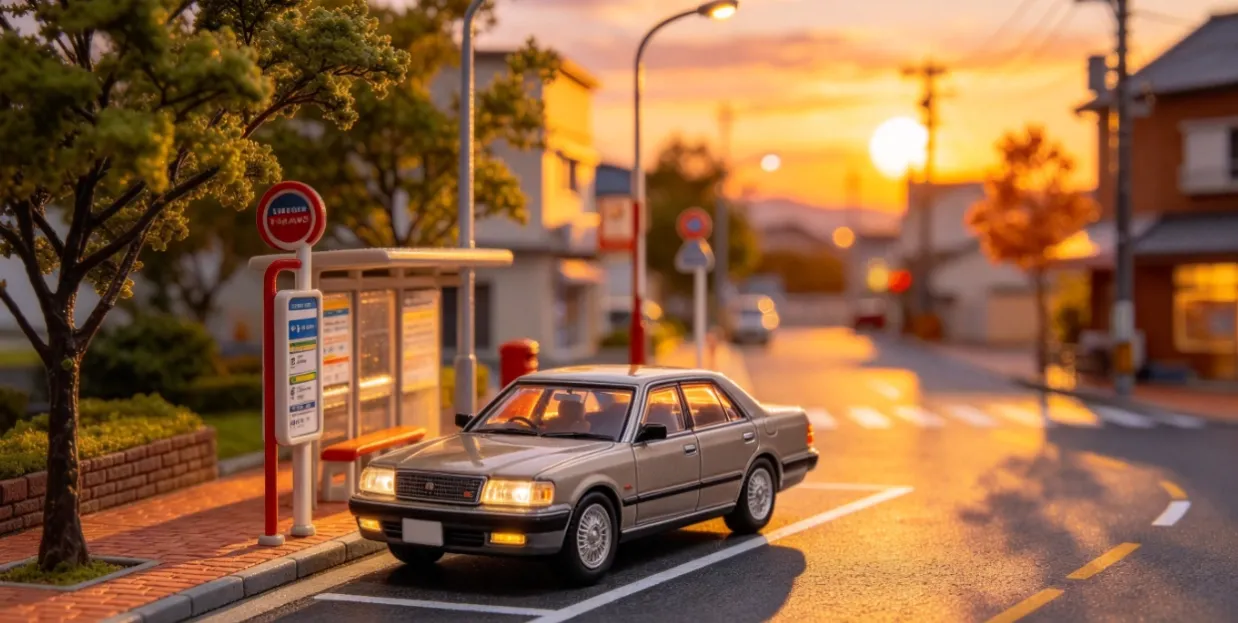
Street dioramas offer a different environment for diecast vehicles. Road markings, signs, buildings, and other details can help establish the setting.
Compact Display Products
Smaller display products may appeal to collectors with limited shelf space or those who want to feature a single favorite vehicle. Confirm the dimensions and included components before recommending them.
These themes create a simple structure for product categories and online navigation.
Balance Core Products with More Specialized Accessories
A retail collection can combine a few main display products with selected accessories.
For example, a garage may act as the central product, while a repair tool set or tire rack provides additional detail. A street scene can be paired with suitable road accessories if the scale and dimensions are compatible.
Avoid adding every accessory simply because it belongs to the automotive theme. Products should serve a clear purpose and suit the customers you are targeting.
A focused range can be easier to explain, photograph, store, and evaluate than a large assortment of unrelated items.
Make Product Pages Useful
Online shoppers cannot handle a miniature product before buying it. Clear information is therefore essential.
Each product page should explain the scale, overall dimensions, included components, assembly requirements, and any relevant compatibility limitations.
Use photographs that show the product from different angles. If a diecast car is shown inside a garage or display scene, make clear whether the car is included or shown only for illustration.
Where appropriate, provide close-up photographs of accessories, lighting, entrances, and parking spaces. These details help customers judge whether the product suits their collection.
Plan Stock Around Practical Constraints
For wholesale buyers, product selection is only one part of the decision.
Consider minimum order quantities, unit prices, carton dimensions, shipping costs, packaging, lead times, and storage requirements. A large structure may look attractive but require substantial shelf or warehouse space.
If you are unsure how customers will respond to a new category, consider starting with a small number of designs or requesting samples where available.
Track which products attract enquiries and sales. Customer feedback can help you decide whether to add more workshop accessories, expand the parking category, or introduce different scene styles.
Create a Consistent Shopping Experience
Customers should be able to compare products without having to search for basic information on every page.
Use consistent naming for scales and product types. Keep dimensions and included components easy to find. Where products are compatible, link them to each other so shoppers can explore related options.
Do not claim that different products fit together unless their dimensions and compatibility have been checked.
For retailers with physical stores, grouping related products by theme can also make browsing easier. Online stores can use similar categories and filters to help customers find relevant products.
Review the Range Regularly
A miniature display collection does not need to remain unchanged.
Review customer enquiries, sales performance, and stock levels periodically. Remove products that no longer fit the store's direction and consider testing new themes when there is evidence of customer interest.
This approach helps retailers expand with a clearer understanding of demand rather than purchasing a large quantity of unfamiliar products at once.
Final Thoughts
Building a miniature automotive display collection is about matching products to the vehicles and interests of your customers. Clear themes, accurate specifications, and careful stock planning can make the range easier to browse and manage.
We offer miniature garages, parking structures, street scenes, and automotive display accessories for diecast collectors and retailers. Contact us to explore available designs and discuss wholesale options for your store.