Oct 22, 2026Industry News
How to Create a Miniature Car Dealership Display with 1:64 Diecast Models
A modern showroom may feature clean floors, large windows, and a small customer area. A used-car dealership may look more casual, with several vehicles parked outside and simple office furniture.
Introduction
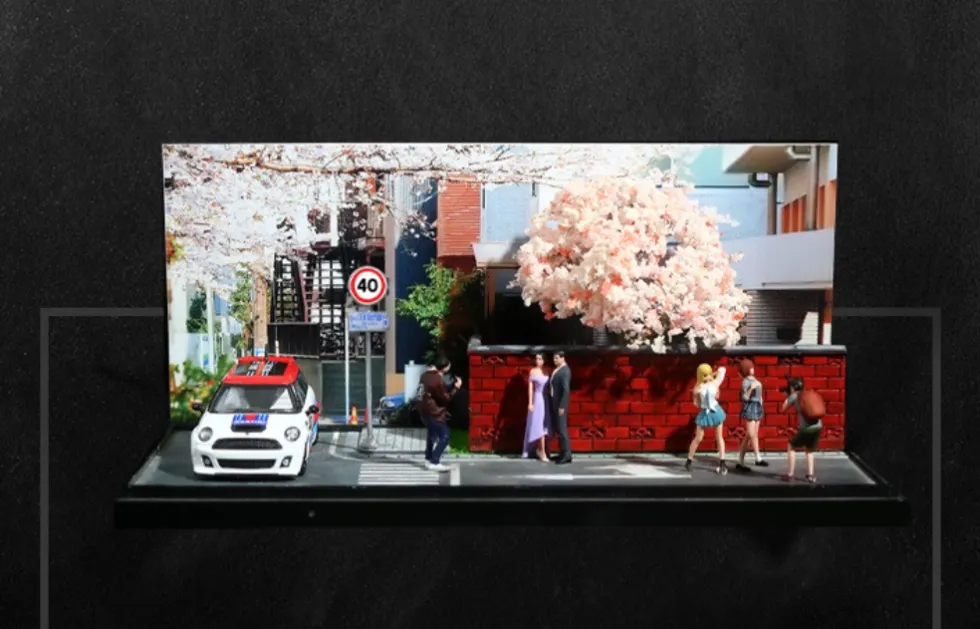
A car dealership display offers a different look from a traditional miniature garage. Instead of focusing mainly on repairs and maintenance, it highlights vehicle presentation, showroom layout, and the customer experience.
For collectors, a 1:64 car dealership diorama is a way to create a more complete automotive scene. For hobby retailers, it also offers an opportunity to sell diecast cars alongside display buildings, figures, furniture, and other miniature accessories.
The good news is that a convincing dealership scene does not need to be large. With a clear layout and a few carefully selected details, even a compact display can look realistic.
1. Decide What Type of Dealership to Build
Start by choosing the atmosphere you want to create.
A modern showroom may feature clean floors, large windows, and a small customer area. A used-car dealership may look more casual, with several vehicles parked outside and simple office furniture.
A performance-car showroom could focus on a few premium-looking vehicles, while a neighborhood dealership might include a sales desk, service area, and customer parking.
The theme will influence which buildings, cars, and accessories you need.
For retailers, these different themes can also help organize products into clear collections instead of presenting every diorama as an interchangeable item.
2. Plan the Vehicle Display First
Cars are the main attraction, so plan their positions before adding smaller details.
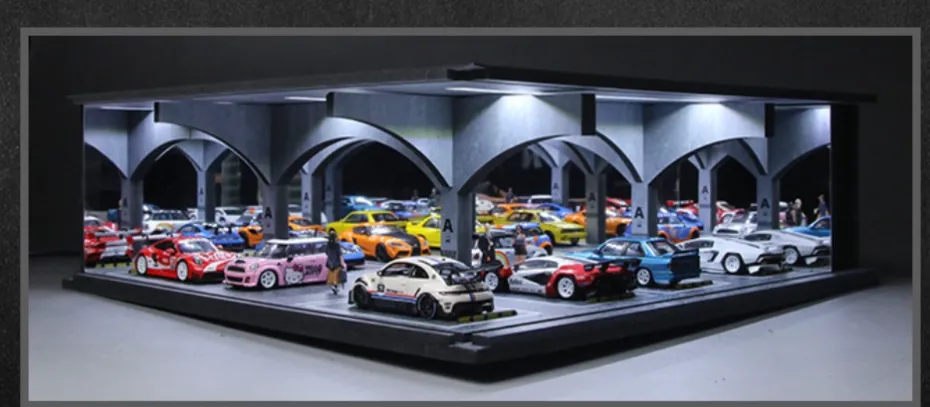
For a compact dealership, a few carefully arranged vehicles may look better than trying to display every available car at once.
Consider leaving space between vehicles so that their shapes and paintwork remain visible. A showroom-style scene may use a straight or angled arrangement, while an outdoor dealership can use more varied parking positions.
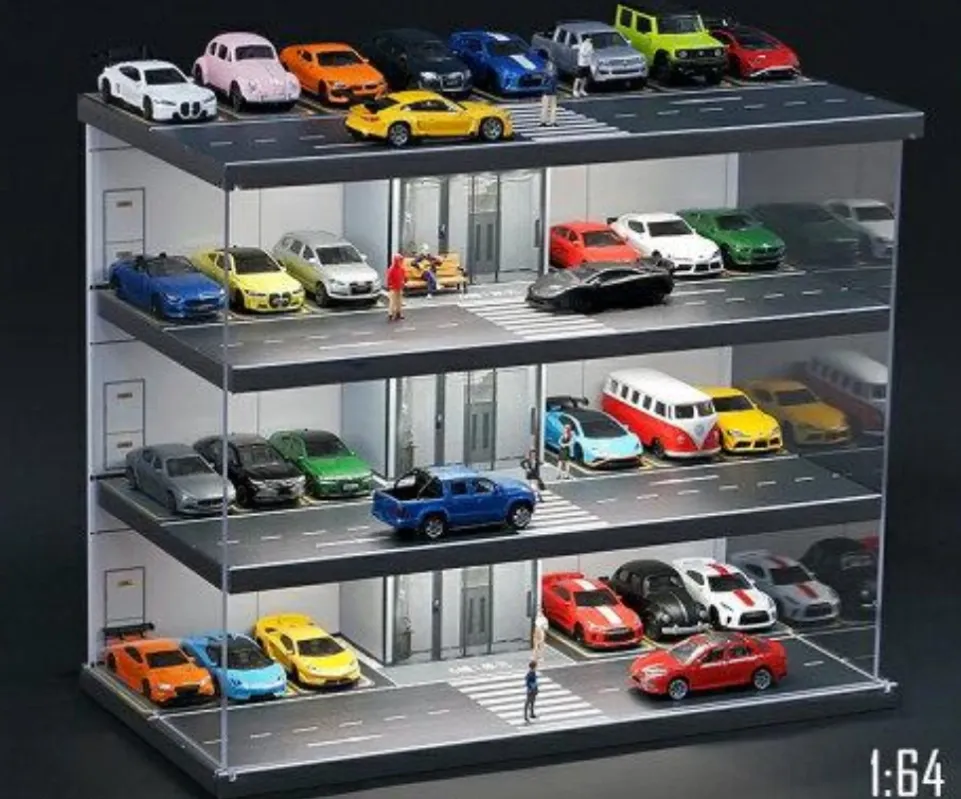
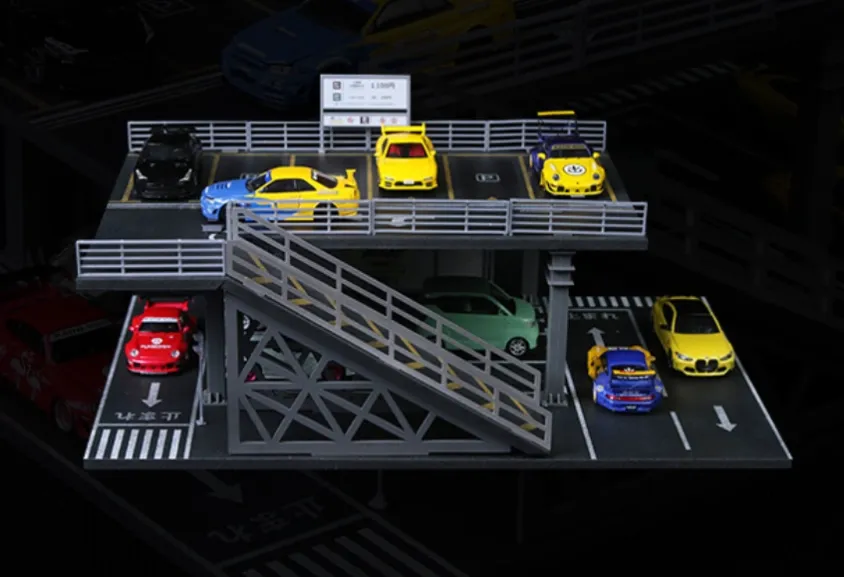
If you are using multiple levels, check that ramps and parking areas are practical for the intended scale.
Always verify the actual dimensions of the display and the cars you plan to use. Not every 1:64 model has identical dimensions, and available space can vary considerably between products.
3.Use Lighting and Color Carefully
Lighting can help separate the showroom from the parking or service areas.
A bright interior can suggest a modern retail environment, while darker colors and more industrial details may suit a workshop or performance-car theme.
However, lighting is not always necessary. If the display is intended for a shelf or desktop, a clean layout and well-positioned vehicles may be enough.
For product photography, use consistent lighting and take pictures from several angles. Retail customers should be able to understand the building's size, included accessories, and display capacity before purchasing.
4. Build a Dealership Display That Can Grow
One advantage of a miniature dealership is that it can be expanded over time.
Collectors may begin with a building and several cars, then add figures, service equipment, parking spaces, or neighboring structures. A modular approach can make these additions easier, provided the products are designed to work together.
When choosing products from different suppliers, check dimensions and connection points rather than assuming all pieces are compatible simply because they share the same scale.
For retailers, related products can be presented as a starter display, an accessory expansion, or a more detailed showroom setup. This gives customers options at different spending levels.
5. Tips for Retailers Selling Dealership Dioramas
If you sell miniature dealership scenes, clear product information matters.
Include the scale, overall dimensions, materials where available, whether cars are included, whether assembly is required, and which accessories come in the package.
It is also useful to show the product both empty and fully arranged. This helps buyers understand what they receive and how the scene may look after adding their own vehicles.
For wholesale sourcing, compare the product's visual appeal with its packaging, MOQ, shipping requirements, and potential retail price. A product that looks attractive in photographs still needs to make commercial sense for your store.
Conclusion
A 1:64 car dealership diorama combines vehicle display, miniature architecture, and small details into one automotive scene. A suitable building, thoughtful car arrangement, office accessories, and a few figures can make the display feel much more complete.