Oct 29, 2026Industry News
How to Match Diecast Cars with the Right Miniature Scene
The right miniature scene should complement your diecast car, fit your available space, and match the style of display you enjoy
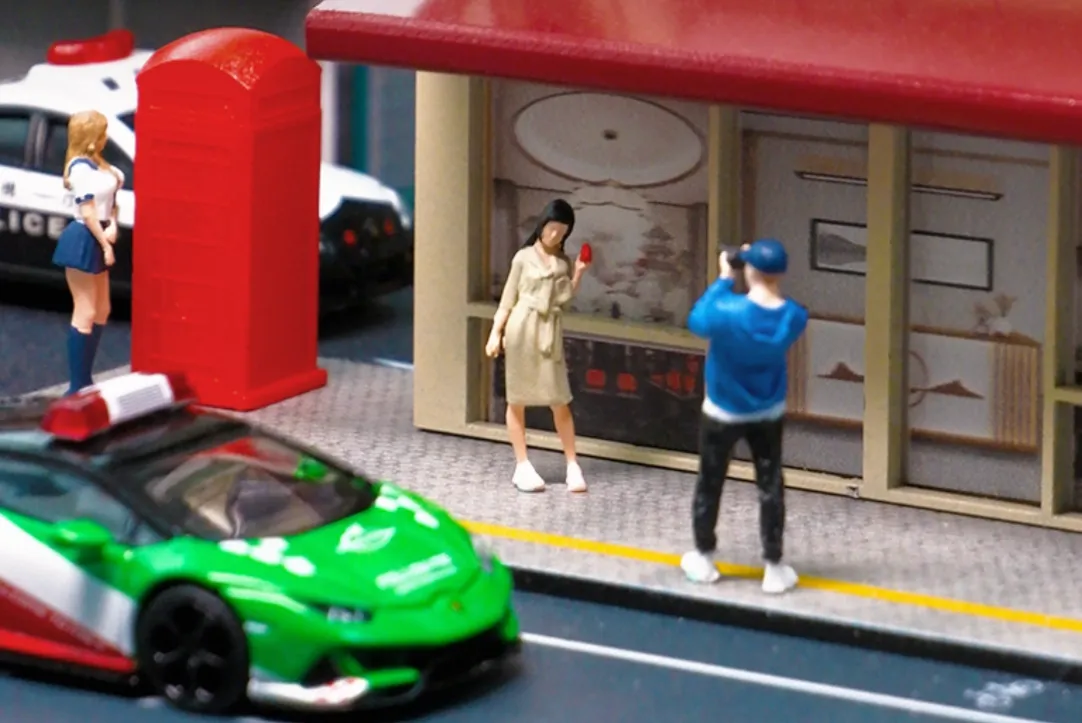
A miniature scene can change the way a diecast car looks on display. The same vehicle may feel completely different in a modern garage, a city street, or a classic roadside setting.
Choosing the right scene is not just about appearance. Scale, available space, vehicle style, and the amount of detail all influence whether a display works well.
Here is a practical guide to matching diecast cars with miniature environments.
Match the Scene to the Vehicle's Character
Start by considering the type of vehicle you want to display.
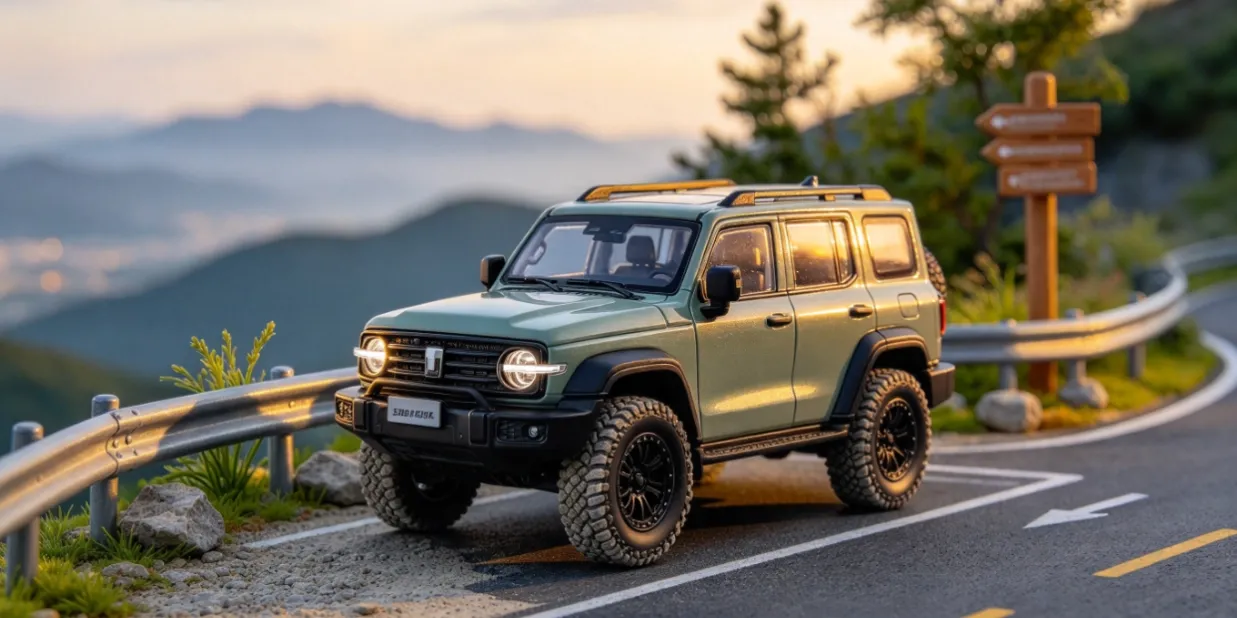
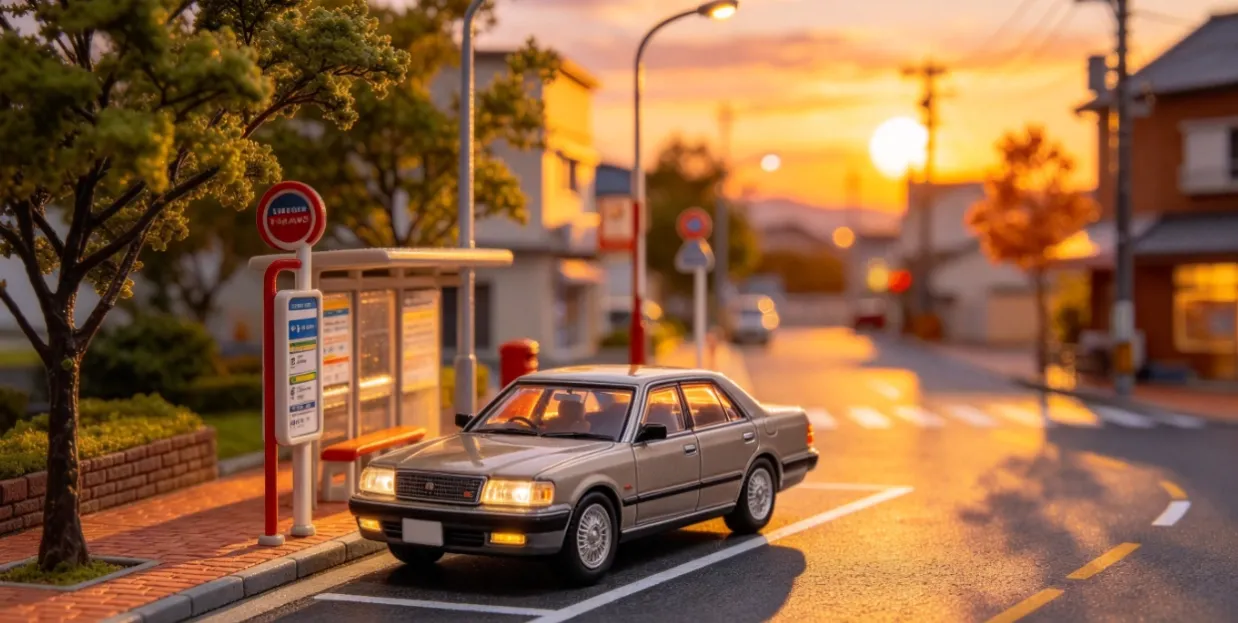
Classic cars often work well in vintage garages, traditional workshops, and period-inspired street scenes. Modern sports cars can suit contemporary garages, showrooms, or urban environments. Modified cars may look more natural in performance workshops or street settings.
These are suggestions rather than strict rules. Some collectors deliberately mix vehicle styles to create unusual scenes.
The key is to choose a setting that supports the look you want. If you are unsure, compare photographs of the vehicle with different scene styles before making a purchase.
Consider the Scale and Actual Dimensions
Scale is one of the most important factors when choosing a miniature scene.
A 1:64 garage is generally intended for vehicles in that scale, but individual models still differ in size. A large SUV or a vehicle with an extended spoiler may not fit the same space as a compact car.
Before buying, check:
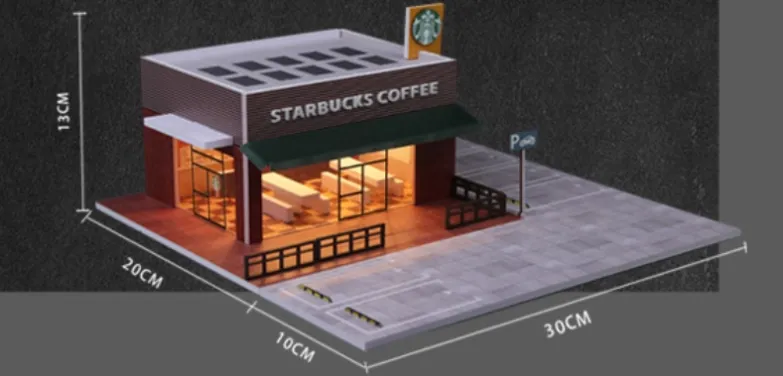
- The overall dimensions of the scene.
- The width and height of entrances.
- The dimensions of parking spaces.
- The clearance between floors.
- The available space for accessories.
For larger-scale models, such as 1:43 or 1:18, make sure the product is specifically suitable for that scale. Do not assume that a scene designed for 1:64 vehicles will work with larger cars.
If measurements are not available, ask the seller or supplier before ordering.
Choose a Setting That Matches Your Display Space
The size of your display area should influence the type of scene you choose.
A compact garage may fit on a desk or shelf, while a street diorama may need more horizontal space. A multi-level parking structure can use vertical space efficiently, but you should still consider its height and accessibility.
Measure the available area before purchasing. Leave enough room to place or remove vehicles and clean the display when necessary.
If you expect your collection to grow, consider whether the scene can work alongside additional buildings or accessories in the future.
Decide How Much Detail You Want
Some collectors prefer clean displays where the car is the main attraction. Others enjoy scenes filled with miniature equipment, signs, figures, and architectural details.
Neither approach is better than the other.
A simple display may suit a premium sports car or a vehicle with distinctive paintwork. A detailed workshop may be more appealing if you enjoy creating stories around your collection.
Consider the amount of time you want to spend arranging and maintaining the scene. More accessories can create additional detail, but they also require more space and careful positioning.
Use Accessories to Connect the Scene
Accessories can help a miniature environment feel consistent.
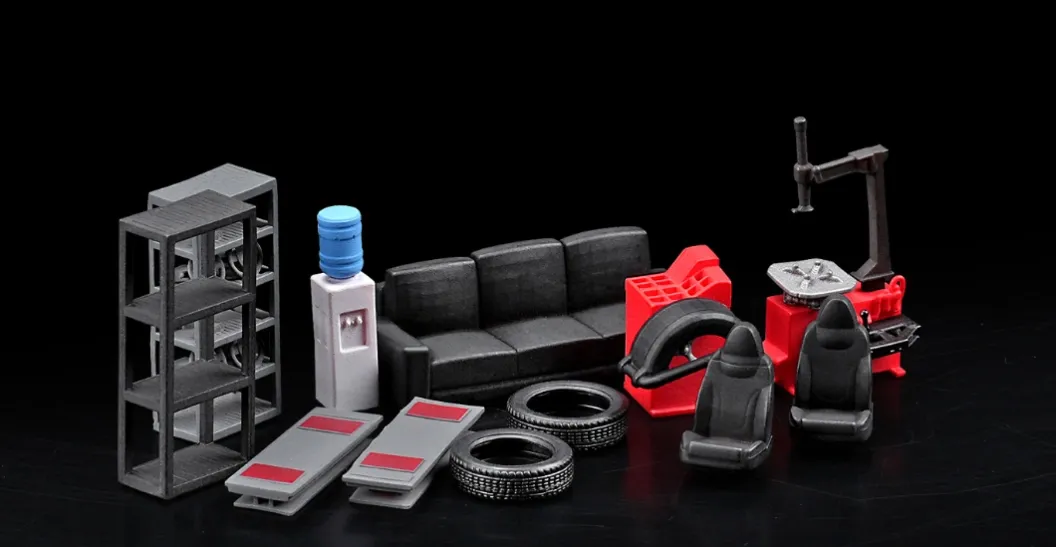
For a workshop, consider tool cabinets, repair tools, tire racks, and floor jacks. For a street scene, road signs, barriers, and figures may be more suitable. Parking structures can benefit from signs, markings, and small details that reinforce the setting.
Choose accessories according to their purpose rather than adding everything available.
Check the dimensions and scale of each accessory before combining products from different suppliers. This is particularly important when mixing buildings, figures, and equipment.
Think About Color and Visual Balance
The color of the scene can affect how the car stands out.
A bright vehicle may look striking against a neutral garage, while a darker model may benefit from a well-lit display. If both the car and background have many strong colors, the overall scene may feel busy.
Try placing the car in the scene before adding accessories. View the arrangement from the front and sides, then make small adjustments to the position and surrounding details.
Photographs can help you compare different arrangements before settling on one.
Check the Product Details Before Buying
Product photographs do not always show everything included in a miniature scene.
Check whether the building, accessories, lighting, and figures are included or sold separately. Confirm whether assembly is required and whether the product has any special handling instructions.
For online purchases, look for clear photographs and reliable dimensions. If you are buying a scene as a gift, confirm the recipient's vehicle scale and available display space first.
Final Thoughts
The right miniature scene should complement your diecast car, fit your available space, and match the style of display you enjoy. By checking scale, dimensions, theme, and included accessories, you can make a more informed choice.
We offer miniature garages, parking structures, street scenes, and automotive dioramas for collectors. Browse the available products or contact us if you need more information about a particular design.