Oct 29, 2026Industry News
How Miniature Figures Bring Diecast Dioramas to Life
Learn how to use miniature figures in diecast dioramas, from mechanic poses and scale compatibility to placement, spacing, and scene design.
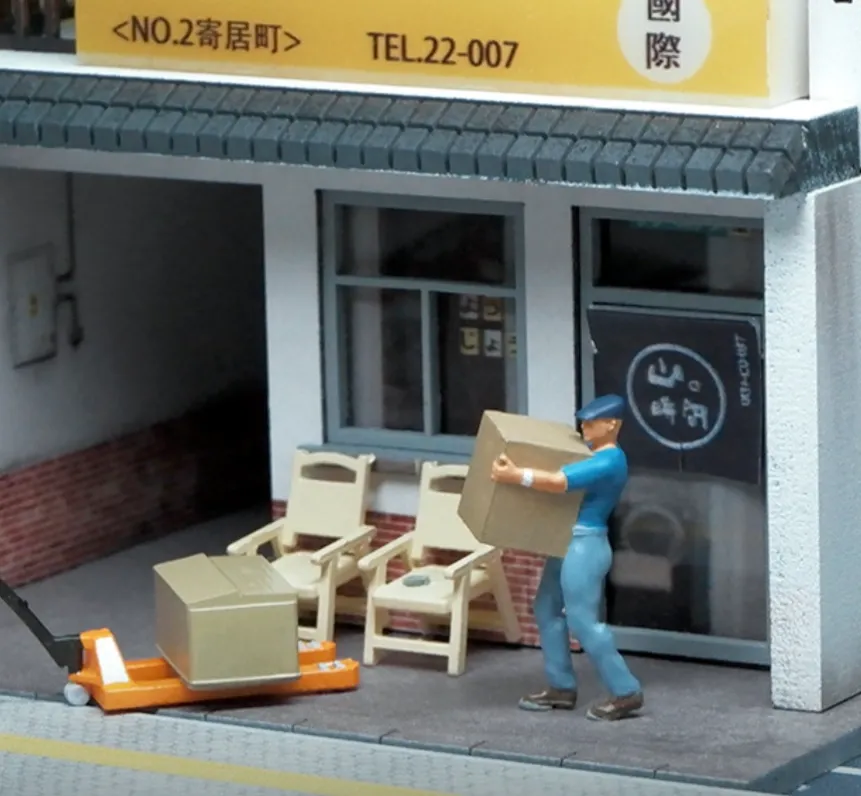
A miniature garage can look convincing even with just a few vehicles and accessories. Adding figures, however, can introduce a different level of detail by suggesting what is happening in the scene.
A mechanic standing beside a car, a person inspecting a vehicle, or a figure near a workshop entrance can help transform a static display into a small automotive environment.
For diecast collectors, figures provide more opportunities to customize a scene. For retailers, they can also complement garages, street dioramas, and workshop accessories.
Decide What the Figures Should Communicate
Before buying miniature figures, think about the story you want the scene to tell.
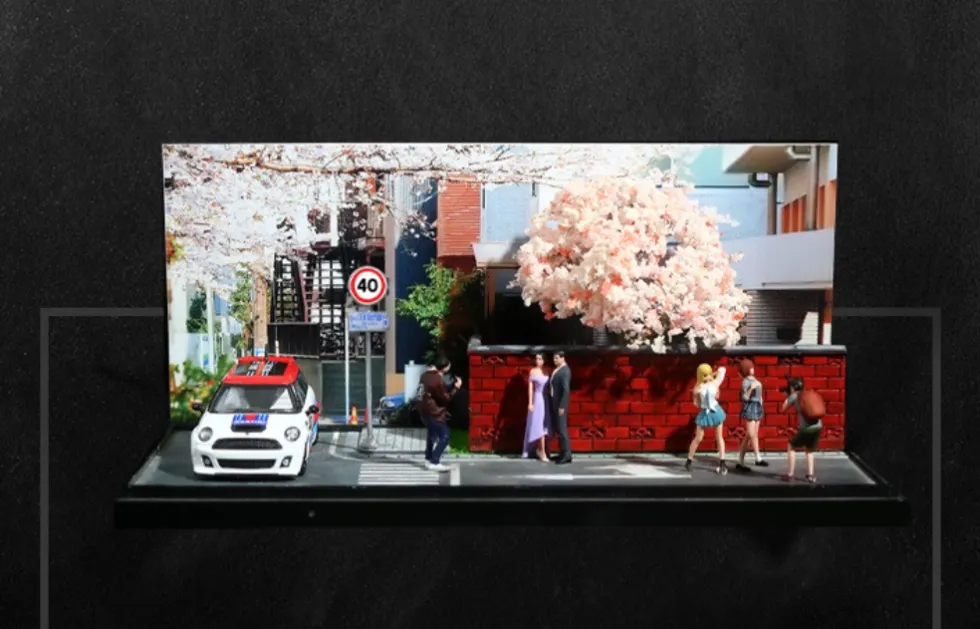
A mechanic beside a raised vehicle suggests a repair in progress. A person standing near a showroom car creates a different atmosphere. Figures positioned along a street can make an urban scene feel more active.
The figure should have a clear relationship with the vehicle or environment. Random placement may make the scene look crowded without adding much meaning.
Start with one or two figures and see how they work with the main vehicle before adding more.
Check Scale and Proportions
Scale compatibility matters because figures can look noticeably out of place when their proportions do not match the vehicles and buildings.
A figure intended for a larger-scale model may appear oversized beside a 1:64 car. A figure that is too small can be difficult to see and may not suit the scene.
Check the manufacturer's stated scale and, where available, the figure's height. Compare this with the dimensions of the vehicles, doors, workbenches, and other objects in your diorama.
If you are combining products from different suppliers, use actual measurements whenever possible rather than assuming that every item labeled with the same scale will match perfectly.
Choose Poses That Suit the Environment
The pose can influence how natural a figure looks in a miniature scene.
For a workshop, standing, inspecting, or working poses may fit the setting. A figure beside a tire rack can suggest a maintenance task, while one positioned near a vehicle entrance may work better in a garage or showroom.
Think about where the figure would realistically stand. Leave enough room for it to fit without blocking the car's most recognizable features.
You do not need a large group of figures to create activity. A few well-placed pieces can be more effective than filling every available area.
Use Figures to Create Visual Balance
Figures can help balance a display when a large vehicle dominates one side of the scene.
For example, a mechanic placed beside a car can create a second point of interest. A figure near a workbench can draw attention to an otherwise empty corner of a workshop.
However, avoid placing figures directly in front of important vehicle details. The car should remain easy to see, particularly if it is the main focus of the collection.
Take a photograph of the arrangement from the usual viewing angle. This can help reveal whether a figure is hidden behind a building, vehicle, or accessory.
Consider the Material and Handling
Miniature figures may contain small or delicate parts. Depending on their construction, thin arms, tools, or other projecting details can be vulnerable during handling.
Before purchasing a figure set, review the available product information and photographs. If you are buying multiple sets, requesting a sample can help you assess the finish and construction before placing a larger order.
For collectors, careful handling and storage are important. Keep unused figures in a suitable container so they are less likely to become lost or damaged.
Retailers should also make sure product descriptions explain the scale, quantity, and included accessories clearly.
Match Figures with the Right Accessories
Figures are most useful when they support the scene's theme.
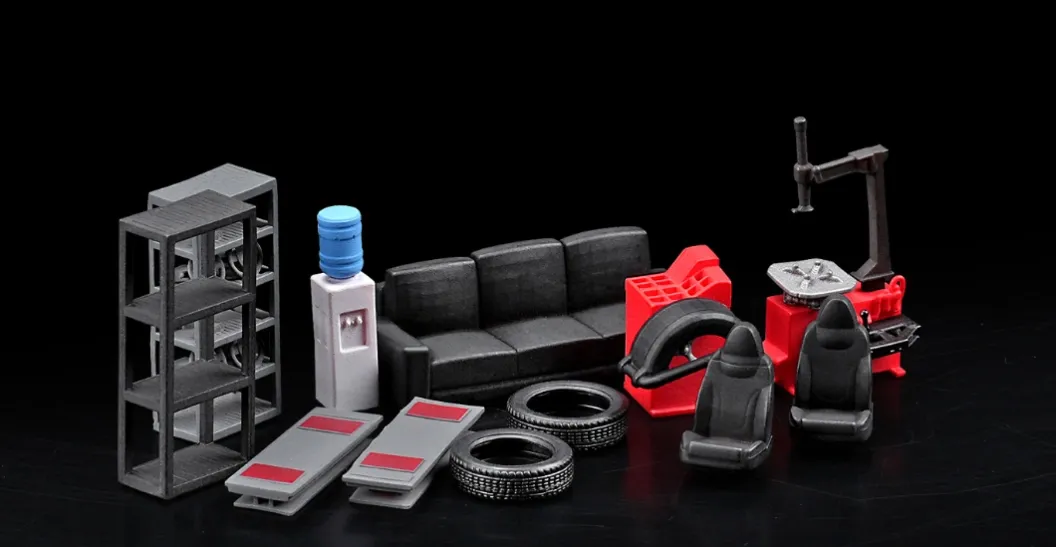
A workshop may benefit from tool cabinets, repair equipment, and tire accessories. A street scene might work better with road signs, barriers, and storefront details. A racing garage can use figures alongside tire stacks and service equipment.
Choose a consistent environment instead of mixing unrelated objects simply because they are available.
You can also leave some areas empty. Negative space helps the figures and vehicles remain visible and gives the scene a more natural layout.
Final Thoughts
Miniature figures add context to a diecast diorama by suggesting activity, scale, and purpose. The most successful arrangements use figures that fit the environment, match the vehicles in proportion, and leave enough room for the main display.
We offer miniature garages, automotive dioramas, and display accessories for diecast collectors and retailers. Contact us for product details and information about available scene accessories.