Oct 29, 2026Industry News
Why Miniature Automotive Accessories Deserve a Place in Diecast Retail Stores
Miniature automotive accessories can complement a diecast retail range by giving collectors more ways to display their vehicles

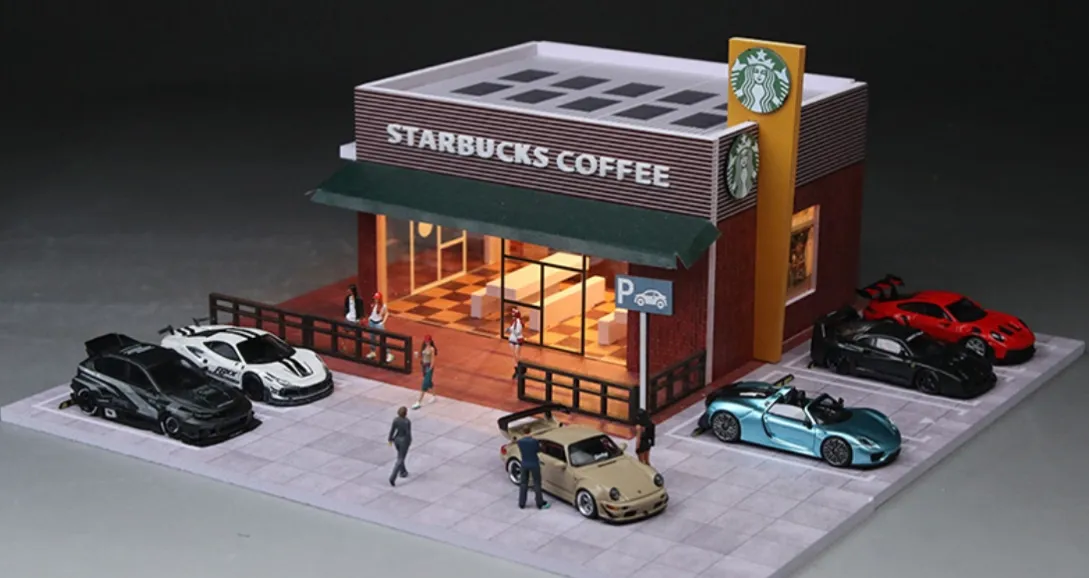
Diecast model cars are the main attraction for many collectors, but vehicles are not the only products that can support the hobby. Miniature garages, repair tools, parking structures, and street scenes offer additional ways for customers to enjoy and display their collections.
For diecast retailers, these accessories can provide a complementary product category. The opportunity is not simply to add more items to a catalogue, but to choose products that make sense alongside the vehicles customers already buy.
Accessories Support Different Collector Interests
Not every diecast collector displays cars in the same way.
Some prefer a simple shelf with several models arranged together. Others build detailed miniature garages or urban scenes. Some enjoy photographing their vehicles in different environments, while others want a dedicated display for a favorite model.
This variety creates room for different accessory categories.
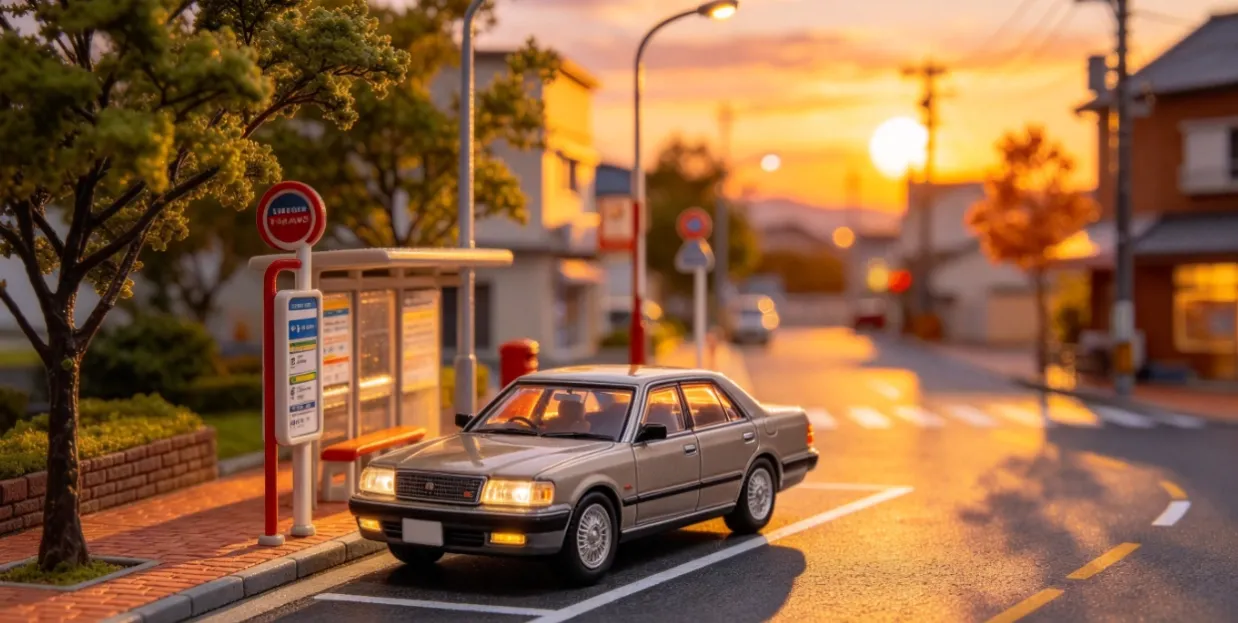
A retailer selling performance cars might explore workshop accessories. A store with a broad 1:64 selection could consider garages and parking structures. Customers interested in city vehicles may prefer street scenes or roadside settings.
The best product choices depend on the store's actual customer base.
Start with Complementary Products
Retailers do not need to introduce a large accessory range immediately.
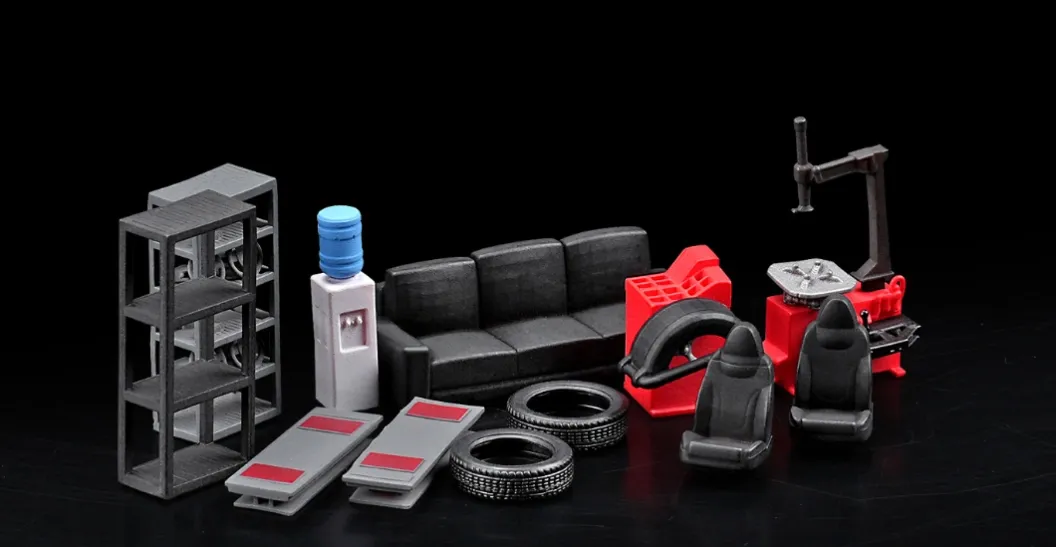
A small, focused selection may be easier to manage and evaluate. For example, a retailer could start with a miniature garage, a parking structure, and a repair tool set.
Each product serves a slightly different purpose. The garage provides a setting, the parking structure offers additional display capacity, and the tools add detail to a workshop scene.
Before selecting products, check their scale, dimensions, included components, packaging, and wholesale terms. These details help determine whether an item is suitable for the store's customers and available shelf space.
Consider How Products Work Together
Some accessories are more appealing when customers can imagine using them together.
A miniature garage and a repair tool set can create a workshop theme. A parking structure can complement a collection of everyday vehicles. A street scene can provide a background for a range of cars from different manufacturers.
Retailers can use this relationship when organizing product categories or photographing items for an online store.
However, avoid implying that separate products are automatically compatible. Check their dimensions and scales, and clearly state which items are included with each product.
Make Product Information Clear
Miniature accessories often require more explanation than a standard model car.
Customers may want to know the actual dimensions, whether assembly is needed, whether lighting is included, and whether the vehicles shown in photographs come with the scene.
Useful product listings should include:
- Scale and external dimensions.
- A clear list of included components.
- Material and assembly information where available.
- Product photographs from multiple angles.
- Any known compatibility limitations.
Accurate information helps customers understand what they are buying and makes it easier to compare different options.
Evaluate Demand Before Expanding the Range
Retailers can reduce uncertainty by introducing new accessories in stages.
Start with a limited selection, monitor customer questions and sales, and gather feedback about preferred themes and scales. If a particular category attracts interest, consider expanding it with related products.
When evaluating wholesale options, look beyond the unit price. Compare minimum order quantities, carton dimensions, shipping costs, packaging requirements, and the amount of shelf space needed.
A product that appears inexpensive may be less attractive if it occupies too much space or is difficult to ship economically.
Think About the Customer's Next Purchase
A customer who buys a diecast car may later want a suitable display environment. Making related accessories easy to discover can help shoppers find products they did not initially know they needed.
For example, a product page for a miniature garage could also direct customers to compatible workshop accessories, provided the products have been checked for scale and dimensions.
The aim is to make the shopping experience more useful, not to pressure every customer into buying additional items.
What to Ask a Wholesale Supplier
Before placing an order, retailers should confirm the details that affect product suitability and total cost.
Ask about available designs, dimensions, scale, minimum order quantities, sample availability, packaging, and lead time. If you intend to combine different products in one shipment, request information about carton sizes and shipping arrangements.
Samples can be useful when the finish, assembly, or actual scale relationship is difficult to assess from photographs alone.
Final Thoughts
Miniature automotive accessories can complement a diecast retail range by giving collectors more ways to display their vehicles. A focused selection, accurate product information, and careful demand testing can help retailers evaluate the category without committing to too many designs at once.
We supplie miniature garages, automotive dioramas, parking scenes, and display accessories for diecast collectors and retailers. Contact us to discuss available models, samples, and wholesale details.